Pet’s Corner
USDA Approves Self-Amplifying mRNA Injections For Pets
The U.S. Department of Agriculture has quietly given the green light to the first self-amplifying mRNA injections for pets, specifically dogs and cats. This approval was fast-tracked without thorough long-term testing, independent reviews, or any public warnings. The product line, known as Nobivac NXT and made by Merck’s Intervet subsidiary, includes vaccines for rabies, feline leukemia (FeLV), and canine flu (H3N2). Unlike traditional vaccines, these new shots replicate RNA within the body, spreading to major organs and even the brain. The potential effects on both animal and human health are significant, yet regulators have not spoken out.
What Is Self-Amplifying RNA?
Unlike standard vaccines that use weakened viruses or their fragments, Nobivac NXT employs self-amplifying RNA (saRNA). After injection, this lab-created RNA replicates inside the body, directing cells to create viral proteins that stimulate an immune response. Merck asserts that this makes the vaccine “more effective and longer-lasting.” However, it also means that the RNA continues to reproduce throughout the body in unpredictable ways. In simpler terms, your pet essentially becomes a factory for synthetic viral material, with no clear information on how long it lasts, where it goes, or how it might change long-term biology.
A Study Built On Sand
The USDA approved Nobivac NXT based on a single 14-day safety study conducted by Merck’s Intervet. This study included 38 dogs and cats. After this short testing period, 35 of the animals were euthanized, leaving their long-term outcomes unknown. The study has never been peer-reviewed, published, and remains hidden from the public. Yet, regulators permitted a nationwide rollout based on this weak foundation. Documented side effects include aggression, excessive salivation, seizures, dizziness, paralysis, and even sudden death. If this were a trial for humans, it would never pass an ethical review. However, in the veterinary field, corporate science operates without checks.
Rabies Is Not A Crisis—So Why The Rush?
The reason given for the quick approval of this vaccine is to prevent rabies. However, canine rabies has been nearly eliminated in the United States since 2007, with fewer than ten human rabies cases reported each year. So why the urgent push for experimental RNA vaccines for pets? The real motive may not be about protecting animals but rather about normalizing self-amplifying RNA throughout the food chain, medical systems, and even household products. Pets are just the first subjects in this testing.
Don’t Gamble With Your Pets!
The USDA and Merck have introduced a groundbreaking biotech platform without transparency, independent testing, or public discussion. Rabies is not a crisis, but reckless experimentation is. Pet owners deserve to make informed choices, not just follow corporate science blindly. Until there is substantial long-term safety data that is independently verified, the Nobivac NXT vaccine series should be approached with extreme caution.
How to Check Your Pet’s Vital Signs
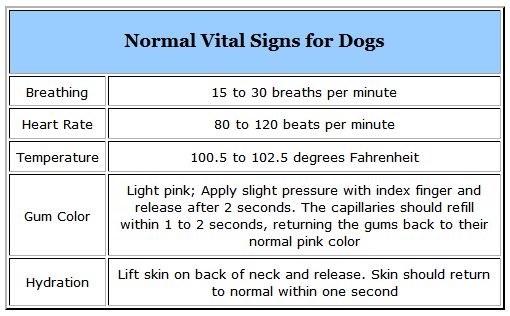
The following is a helpful guide on measuring vital parameters, their normal ranges, and what deviations might mean. Remember, when a pet is unwell, you may notice changes in two or more vital signs along with other symptoms. Just take the measurements, jot them down, and don’t stress about diagnosing.
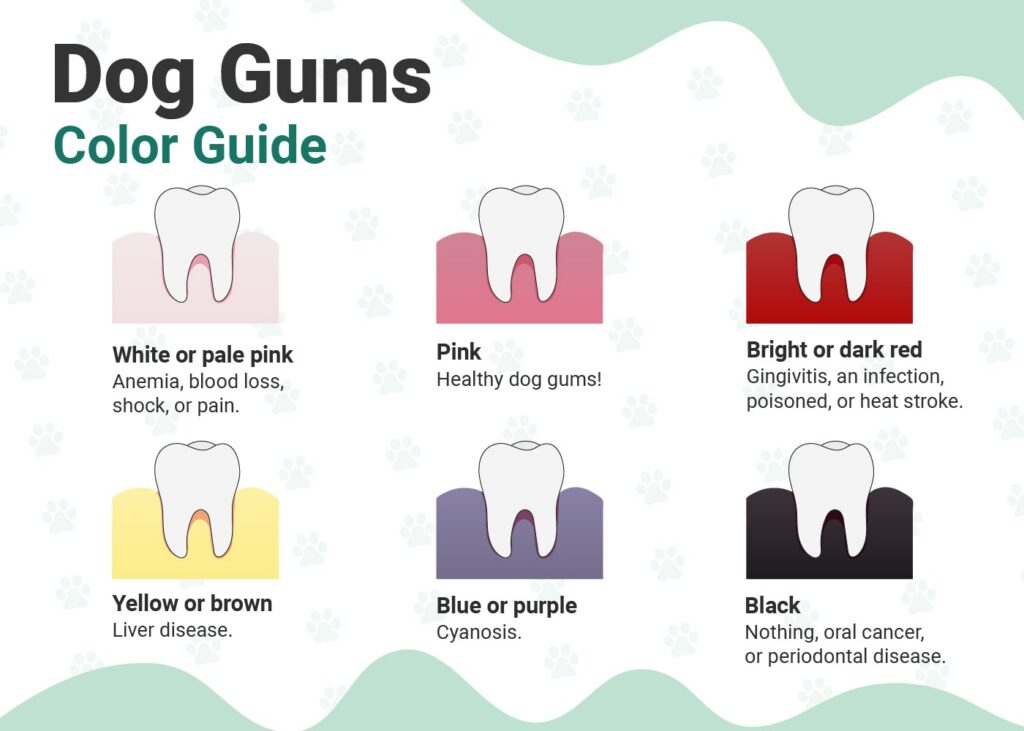
GUM COLOR
* Location: Mouth
* Method: Gently lift your pet’s cheeks to examine the gums
* Normal: bubble-gum or powdery pink
Unhealthy gum colors can include light pink, white, dark red, brownish, bluish, purple, light yellow, or yellow. Intense shades of these colors, especially white, often signal serious issues and are usually accompanied by other symptoms, like purple gums with breathing difficulties. If you notice any of these, please seek veterinary help immediately!
BREATHING (RESPIRATORY) RATE
* Location: chest / flank
* Method: Observe or place your hand on your pet’s chest or flank, and use a stopwatch to count how many times they breathe in one minute. A full breath consists of inhaling and exhaling; the rise and fall of the chest or flank counts as one breath.
* Normal rates (average): dogs: 10 to 30 breaths per minute
cats: 20 to 40 breaths per minute
An elevated respiratory rate, even if caused by normal activities like exercise or heat, could indicate heart or lung issues or pain. It may also suggest worsening conditions if your pet is already receiving treatment for these problems.
HEART RATE
* Location: on the left side of the chest, where the elbow meets the chest
* Method: place your hand on that area to feel the heartbeats. Use a stopwatch to count the beats for 15 seconds, then multiply that number by 4 to determine the beats per minute.
* Normal rates (average):
small dogs: 80 to 120 beats per minute
large dogs: 60 to 100 beats per minute
cats: 140 to 220 beats per minute
If you notice a heart rate that is too low or too high in your pet, please reach out to a veterinarian right away!
PULSE
* Location: on the femoral artery, found on the inside and towards the center of the animal’s thigh, extending from where the leg connects to the body almost to the knee.
* Method: use your index and middle fingers to gently feel for the pulsing of the femoral artery (similar to how you would check your own pulse on your wrist). You can compare it to the heart rate by placing your other hand on the heart area simultaneously.
* Normal characteristics: a steady rhythm that coincides with the heartbeat, easy to locate.
The arterial pulse represents the expansion and contraction of the body’s arteries as the heart pumps, and it should align with the heart rate.
TEMPERATURE
* Location: rectum, just beneath the tail base
* Method: carefully insert about 1/2 inch of a lubricated digital thermometer into the animal’s rectum and wait for it to beep
* Normal range: 100.94° to 102.56° F
For dogs and cats, we suggest measuring rectal temperature as it provides the most precise readings compared to other methods. There’s no need to worry about this technique, as the thermometer’s diameter is significantly smaller than that of the stool. You can safely use Vaseline or any cooking oil, like Olive or Coconut Oil, as a lubricant.
Minor fluctuations in body temperature can happen due to environmental conditions or if your pet is feeling excited, for instance. However, if the body temperature drops below 98.6° F (indicating hypothermia) or rises above 104° F (indicating hyperthermia or fever), it’s crucial to have your pet examined and treated immediately!
Essential Items for a Natural Pet First Aid Kit
Putting together a natural pet first aid kit means collecting supplies that can assist in handling minor emergencies and offer comfort to your furry friend until you can get professional veterinary help. Here’s a list of must-have items to include:
Basic Supplies
* Gauze Pads: Ideal for cleaning and dressing wounds.
* Tweezers: Handy for removing splinters or ticks.
* Scissors: Perfect for cutting bandages or gauze.
* Antibiotic Ointment: To apply on cuts and scrapes.
* Cotton Balls or Swabs: Useful for cleaning wounds or applying ointments.
Homeopathic Remedies
* Aconite: Helpful for shock.
* Arnica Montana: To minimize swelling and bruising.
* Apis Mellifica: For treating insect bites and stings.
* Rhus Tox: For sprains, strains, and minor cuts.
Additional Items
* Digital Thermometer: To keep track of your pet’s temperature.
* Instant Cold Pack: To help reduce swelling.
* Saline Eye Solution: For flushing out irritants from the eyes.
* Towels: For cleaning or wrapping your pet.
* List of Emergency Contacts: Make sure to include your veterinarian’s number and a poison control hotline.
Storage and Maintenance
* Storage Bag: Opt for a lightweight bag with several pockets for easy organization.
* Check Regularly: Go through your kit every few months to replace expired items and ensure everything is in good shape.
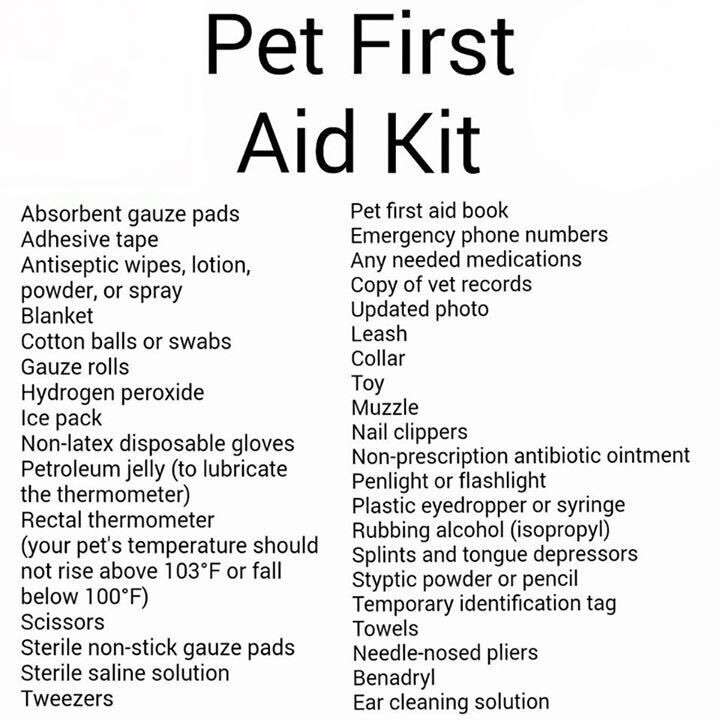
High-Rise Syndrome
Many pet owners love to open their windows to enjoy the summer weather. However, windows without screens can be very dangerous for cats, leading to a condition known as High-Rise Syndrome. Cats can suffer serious injuries from falls, including broken jaws, punctured lungs, broken limbs, and even death.
* Cats have strong survival instincts and do not intentionally jump from dangerous heights. Most falls happen accidentally from high-rise windows, balconies, or fire escapes.
* Cats can focus intensely on things that catch their interest. A bird or another animal can distract them enough to lose their balance and fall.
* Since cats are not afraid of heights and like to sit in high places, many pet owners think they can manage on their own. While cats can grip tree bark with their claws, they struggle on other surfaces like window ledges, concrete, or brick.
* When cats fall from heights, they do not always land perfectly on their feet. They often land with their feet apart, which can lead to serious head and pelvis injuries.
* It is a myth that cats are safe from injury if they fall from one- or two-story buildings. In fact, they may be more likely to get hurt from shorter falls because they don’t have enough time to adjust their body for a safe landing.
* Cats that fall from high buildings may land on streets or sidewalks that are dangerous and unfamiliar. Always assume the cat may be injured and take it to the nearest animal hospital or veterinarian immediately.
* Cats that are victims of high-rise falls have a 90% survival rate if they receive quick and proper medical care.
Preventing High-Rise Syndrome
To ensure your cat’s safety during the summer months, ensure you have tight and strong screens in every window.
If your screens are adjustable, confirm they fit securely in the window frames.
Remember, cats can squeeze through childproof window guards—these are not safe enough!
How Grooming Bonds You and Your Pet
Grooming is frequently regarded as a mundane chore—trimming nails, brushing fur, or perhaps bathing your dog monthly. However, for numerous pet owners, grooming transcends mere hygiene. It evolves into a moment of bonding, communication, and trust-building.
Why Grooming Is More Than Just Care
The Significance of Physical Touch
Touch plays a crucial role in how animals form bonds—particularly dogs and cats. Consistent brushing or combing replicates the natural grooming behaviors observed in animal groups, such as cats grooming one another or dogs nuzzling.
The advantages include:
* The release of oxytocin (the “love hormone”) in both the pet and the owner
* Assisting your pet in feeling secure and relaxed
* Reinforcing your position as a caregiver, rather than merely a provider of food
How Grooming Cultivates Trust – A Step-by-Step Approach
1. Begin with Simple, Comfortable Tools
When starting, refrain from using harsh tools. Opt for gentle brushes, pet grooming gloves, or silicone scrubbers—particularly for pets with short hair or those that are sensitive.
2. Establish a Routine
Pets thrive on routine. Brushing every 2 to 3 days, conducting weekly nail checks, and providing monthly baths help set expectations and alleviate anxiety. Create positive associations by grooming after walks, prior to treats, or during moments of quiet bonding.
3. Learn Their Body Language
Observe signs of discomfort or pleasure:
* Leaning in = comfort
* Twitching tail = mild irritation
* Licking lips, stiffening = stress
Respect their boundaries—this fosters trust more effectively than forcing grooming.
4. Use Voice Cues and Rewards
Speak softly during grooming. Offer calm praise when they remain still or permit touch in sensitive areas such as ears or paws.
Follow up with:
* Treats
* Toys
* Playtime
This reinforces the notion that grooming equals a positive experience.
Common Mistakes That Break Trust During Grooming
Avoid these behaviors, particularly in the early stages of your relationship:
* Rushing through grooming sessions
* Forcing your pet down when they resist
* Utilizing painful or noisy tools (inexpensive clippers, harsh brushes)
* Neglecting praise or positive reinforcement
Instead, practice patience. Take breaks. Grooming should feel reciprocal, not one-sided.
Grooming is not solely about cleanliness—it is about connection. When performed correctly, it serves as one of the most significant ways to enhance your relationship with your pet. You are not merely removing fur; you are cultivating trust, alleviating stress, and fortifying a bond that endures a lifetime.
I take opportunities while grooming to speak sweet things to my dogs and cats. I tell them I love them and what a good boy or girl they are. So whether you are brushing your dog after a hike or cleaning your cat’s paws before bedtime, each grooming ritual communicates to your pet: I care, and you are safe with me.
Natural Hairball Prevention
Because nobody enjoys the sound of a cat trying to cough up what looks suspiciously like a tiny furry cigar.
If you share your home with a cat, you’re probably familiar with one of the least charming sounds in nature. It usually begins around 3:00 a.m. Your cat suddenly starts making noises that sound like it’s attempting to summon an ancient spirit—or perhaps cough up one. Before you can leap out of bed, the deed is done… usually on your favorite rug rather than the easy-to-clean hardwood floor. It’s almost as if they have an advanced degree in selecting the most inconvenient location possible.
Welcome to life with hairballs.
Scientifically known as trichobezoars (“tricho” means hair, and “bezoar” refers to a mass trapped in the digestive tract), hairballs form because cats are meticulous groomers. Their rough tongues act like tiny combs, collecting loose fur that is swallowed during grooming.
Most of that hair passes harmlessly through the digestive system. But occasionally, enough accumulates in the stomach to form a hairball, leaving your poor kitty hacking and gagging until it’s finally expelled—to your cat’s immense relief and your carpet’s great disappointment.
Fortunately, hairballs don’t have to be accepted as a normal part of cat ownership. A few simple, natural strategies can dramatically reduce their occurrence. As always, consult your Holistic Veterinarian before making dietary changes, especially if your cat is elderly or has an underlying medical condition.
Brush, Brush… and Then Brush Some More
Since loose fur is the main ingredient in hairballs, removing it before your cat swallows it is the easiest form of prevention. Daily brushing is especially important for long-haired breeds and during seasonal shedding. Not only does it reduce hairballs, but many cats eventually look forward to these grooming sessions.
Finish with a Quick Wipe
After brushing, wipe your cat with a damp paper towel or a fragrance-free, hypoallergenic baby wipe to collect the stubborn hairs that escaped the brush. It’s amazing how much fur one small cat can manufacture.
A Little Olive Oil Can Help
A small amount of olive oil can help lubricate the digestive tract, allowing swallowed hair to pass naturally rather than collecting in the stomach. About one teaspoon once a week is generally sufficient for most healthy adult cats. Simply mix it into your cat’s food or allow your cat to lick it voluntarily. Never squirt oil directly into your cat’s mouth, as it could accidentally enter the lungs. Some owners also use a small amount of butter, although olive oil is generally the healthier choice.
Go Fishing… for Hairball Prevention
Cats rarely object to this recommendation. Offering a small amount of tuna or a sardine packed in water or oil can provide healthy natural oils that help hair move through the digestive tract. Even pouring a little of the liquid from the can over your cat’s regular food can encourage digestion—and earn you instant “Favorite Human” status.
Increase Fiber Naturally
Fiber helps keep everything moving—including swallowed fur. One teaspoon of plain canned pumpkin mixed into your cat’s food can provide enough fiber to help hair pass through the digestive tract before it has a chance to become a problem. Don’t worry if your cat initially gives you a look that clearly says, “You expect me to eat what?” Many cats eventually decide pumpkin isn’t so bad after all.
Keep Your Cat Well Hydrated
Adequate water intake supports healthy digestion and helps keep intestinal contents moving normally. Cats are notorious for pretending the perfectly clean water bowl you lovingly filled is somehow beneath them. Many drink more readily from a pet fountain, while others appreciate adding moisture-rich canned food to their diet. Whatever encourages your feline to drink more is usually a win.
When Hairballs Become Serious
Most hairballs are simply an unpleasant inconvenience. Occasionally, however, they can create an intestinal blockage, which requires prompt veterinary attention.
These symptoms may indicate something more serious:
– A swollen or painful abdomen
– Constipation or difficulty passing stool
– Repeated, unsuccessful attempts to vomit
– Persistent coughing or gagging
– Loss of appetite
– Lethargy
Hairballs may be common, but they don’t have to become a regular feature of life with your cat. With consistent brushing, a healthy diet, adequate hydration, a little extra fiber, and occasional healthy oils, you can greatly reduce those middle-of-the-night hacking concerts.
Heartworm Prevention & Natural Mosquito Repellent Options
Managing a mature heartworm infection poses significant risks. Administering the arsenic-based medication to an infected dog can lead to a substantial die-off of the worms, resulting in severe inflammation and possible respiratory failure. Unfortunately, not all dogs endure this treatment successfully. Prevention remains the most effective strategy!
Preventatives:
1. Catnip Spray
Catnip contains a substance known as nepetalactone, which may help repel mosquitoes. A catnip spray that is safe for pets can serve as a mild alternative for certain dogs and cats.
How to Use It
Use a catnip spray designed for pets and follow the instructions. For dogs, lightly spray the coat prior to outdoor activities in areas with a high mosquito presence. For cats, only apply products that are explicitly labeled as safe for felines, and use sparingly.
2. Brewer’s Yeast
Brewer’s yeast is abundant in B vitamins, protein, and chromium. Numerous pet owners use it to repel fleas, and cut down on mosquito bites. It is cost-effective and may provide overall nutritional advantages.
Suggested Amount To Administer:
1/2 teaspoon for every 10 lbs of body weight on a daily basis.
3. Homemade Mosquito Repellent Spray
RECIPE:
Ingredients:
- 1 cup distilled water
- 2 tablespoons apple cider vinegar (optional)
- 20 drops cedarwood essential oil
- 10 drops lavender essential oil
- 5 drops geranium essential oil
- 1 teaspoon vegetable glycerin (optional, helps the oils to disperse evenly)
Instructions:
- In a clean spray bottle, combine the distilled water and apple cider vinegar (if using). The apple cider vinegar can help to repel fleas and ticks and also serves as a natural skin conditioner for dogs.
- Add the essential oils to the bottle.
- Add the vegetable glycerin. Vegetable glycerin helps to disperse the essential oils evenly in the water and can also act as a moisturizer for your dog’s skin.
- Close the spray bottle and shake well to combine all the ingredients thoroughly.
- Before each use, shake the bottle well to ensure the oils are evenly distributed.
- To apply, lightly mist your dog’s coat, avoiding the eyes, nose, and mouth. Pay particular attention to areas where fleas and ticks are more likely to hide, such as behind the ears, along the spine, and under the legs.
- Reapply the spray as needed, especially after your dog has been outdoors or exposed to areas where fleas and ticks may be present.
Remember to test a small area of your dog’s skin for any adverse reactions before applying the spray more widely. If your dog shows any signs of sensitivity or irritation, discontinue use immediately.
We apply this to ourselves while engaging in yard work or playing fetch with our dogs. Please note that cedarwood oil is toxic to cats and should be avoided.
4. Diatomaceous Earth
Food-grade diatomaceous earth, commonly referred to as DE, is frequently used by conscientious pet owners for parasite management.
Recommended Routine:
1/4 teaspoon for every 10 lbs of body weight daily, for a duration of 7 days, every 3 months.
Ensure that only food-grade diatomaceous earth is used.
Immune Support for Heartworm Prevention
Although a strong immune system alone cannot prevent heartworms, it does improve your dog’s general health. A healthier dog is more equipped to handle stress, illness, treatment, and recovery. Consider fresh whole food, plain yogurt or probiotics, omega-3 fatty acids, canned sardines, liver, high-quality protein, minimizing processed food whenever feasible.
Step-by-Step Heartworm Prevention Strategy:
Step 1: Understand Your Local Risk
I will make every effort to place an updated map here yearly:

Step 2: Annual Testing
It is essential for dogs to undergo regular testing, even if they are on preventive measures, particularly if you observe any potential signs of heartworm infection or reside in a high-risk area with a noticeable mosquito presence.
Step 3: Minimize Mosquito Exposure
Eliminate standing water sources. Steer clear of outdoor activities during dawn and dusk. Consider using safe mosquito repellents.
Step 4: Enhance Immune Function
Whenever possible, provide higher quality food. Introduce probiotics, omega-3 fatty acids, sardines, or liver into your dog’s diet if they can tolerate these additions.
Step 5: For those living in high-risk areas, opting for prescription prevention is a prudent decision. We can discuss potential side effects, explore safer alternatives, and find ways to naturally minimize mosquito exposure. However, the primary objective is to prevent your dog from contracting heartworm altogether.
If your dog tests positive, treatment options are available. Melarsomine is the conventional treatment method. In some instances, Moxidectin combined with doxycycline may serve as a more economical alternative, albeit at a slower pace.
For effective prevention, keep it straightforward:
Fewer mosquitoes. Reduced bites. Enhanced immune support. Intelligent use of preventives tailored to your dog’s actual risk.
Shortcut to Heartworm Prevention:
Ivermectin is a superstar ingredient in popular heartworm prevention products like Heartgard and Iverhart. These products deliver safe, tiny doses of ivermectin that kill immature heartworms (microfilaria) before they can grow up and damage your dog’s heart.
Here’s how heartworms spread: An uninfected mosquito bites a dog with heartworms and slurps up some larvae. (Did you know ‘slurps up’ is a technical term?) Then that same mosquito bites your uninfected dog and passes the larvae along.
Monthly heartworm prevention using Ivermectin doesn’t give your dog a magical mosquito force field — it just plays cleanup crew, eliminating any larvae your dog might have picked up in the previous month. Want even better protection against the buzzing vampires? Consider including a dog-safe mosquito repellent to the mix. (See my recipe in the article prior to this one)
Heartworms go through multiple larval stages, and not all of them are vulnerable to preventatives. Skip a dose and those larvae can level up, reaching a stage where the meds can’t touch them. Consistency is key, unless you enjoy playing “will my dog need expensive vet intervention?” roulette.
Important: If you miss a month, please consult your veterinarian for a heartworm test before continuing, because at that point giving preventatives to a dog with mature heartworms can cause more harm than good.
Dosing:
The typical monthly dose for heartworm prevention is a tiny 0.0015 to 0.003 mg per pound of body weight. We have two large dogs and give each a 12mg pure ivermectin tablet monthly during mosquito season.
Cheesy Chicken Dog Treats
Ingredients
- 1-1/2 cups shredded cooked chicken
- 3/4 cup chicken broth divided
- 1/2 cup shredded cheese
- 1 cup whole wheat flour
- 1 cup all-purpose flour
Instructions
- Boil the chicken until done; cut into pieces.
- Preheat oven to 350 degrees F.
- Grease two cookie sheets.
- Put chicken into blender and blend to baby food consistency. Add broth as needed.
- Combine all ingredients in large bowl.
- Mix all ingredients then turn out dough on floured surface.
- Roll dough to 1/4 inch thickness.
- Cut dough into shapes; rework dough scraps and continue cutting.
- Place all treats onto cookie sheets so treats are not touching.
- Bake for 30 minutes.
- Remove from oven and cool completely before serving.
Notes
Melatonin for Cats & Dogs: The Sleep Hormone That Does So Much More
Melatonin isn’t just for people. This naturally occurring hormone has become one of the most useful and safest supplements available for dogs and cats.
Veterinarians have used melatonin for years to help pets with anxiety, sleep disturbances, certain hormonal disorders, and even some forms of hair loss. Research continues to uncover additional benefits, making melatonin one of the most versatile supplements in the natural pet health toolbox. The best part? When used properly, melatonin has a wide safety margin, relatively few side effects, and is generally well tolerated by both dogs and cats.
Melatonin is a hormone produced by the pineal gland, a tiny structure located deep within the brain. Its primary job is to regulate the body’s sleep-wake cycle. As daylight fades in the evening, melatonin production increases, signaling the body that it’s time to wind down and prepare for sleep. As morning arrives and light enters the eyes, melatonin levels naturally decline, helping the body wake up and become alert. This is why melatonin is commonly known as the “sleep hormone.” However, scientists now know melatonin does much more than help us sleep.
Melatonin’s Hidden Superpowers
Melatonin acts as a powerful antioxidant, helping protect cells from damage caused by free radicals. It also appears to support healthy immune function, regulate inflammatory responses, and may even play a role in protecting the mitochondria—the tiny energy factories inside every cell. In other words, melatonin is more than a bedtime supplement. It may help support overall health throughout the body.
Potential Benefits for Dogs and Cats
1. Anxiety Relief
One of the most common uses of melatonin in pets is for anxiety. Many dogs become stressed during thunderstorms, fireworks displays, travel, grooming appointments, or veterinary visits. Cats can experience anxiety as well, especially when routines change or new animals are introduced into the home.
Melatonin’s calming effects can help take the edge off stressful situations without causing heavy sedation. For many pet parents, it becomes part of the “fireworks survival kit” right alongside white noise machines and hiding under blankets with their terrified Chihuahua.
2. Better Sleep
Senior pets often experience disruptions in their normal sleep cycles. Older dogs may wander through the house at night, bark for no apparent reason, or seem confused after dark. Cats, meanwhile, sometimes decide that 3:17 a.m. is the perfect time to race through the house like a caffeinated squirrel.
Melatonin may help restore more normal sleep patterns, allowing both pets and their humans to get some much-needed rest.
3. Cushing’s Disease Support
Melatonin has been studied as a supportive therapy for certain forms of Cushing’s disease, a hormonal disorder that causes excessive cortisol production. While it is not a replacement for veterinary treatment when needed, melatonin, along with ground flax seed, may be recommended as part of a broader management plan in some cases.
4. Hair Loss and Skin Conditions
Some veterinarians use melatonin to help manage conditions involving non-inflammatory hair loss. Certain dogs experience seasonal flank alopecia, a condition in which patches of hair disappear during specific times of year. Melatonin supplementation has shown promise in encouraging hair regrowth in some affected dogs.
No, it won’t turn your Chihuahua into a show-quality Afghan Hound overnight—but it may help support healthier coat growth.
5. Inflammation Support
Chronic inflammation contributes to many health problems in both humans and animals. Because melatonin appears to influence inflammatory pathways, researchers continue to investigate its potential role in supporting pets with inflammatory conditions. While more research is needed, its antioxidant and anti-inflammatory properties are encouraging.
6. Cancer Support
Melatonin is also being studied for its potential role in cancer support. Researchers have found that melatonin may help reduce oxidative stress and support immune function. Although it is not a cure for cancer, some veterinarians incorporate it into comprehensive treatment plans designed to improve quality of life and overall wellness.
Recommended Dosage
For most dogs and cats, a commonly used dosage is:
1 milligram per 10 pounds of body weight (up to a maximum of 6 mg)
Give melatonin approximately one hour before bedtime or one hour before a stressful event, such as thunderstorms, travel, fireworks, or veterinary appointments.
Examples:
- 10-pound pet: 1 mg
- 20-pound pet: 2 mg
- 40-pound pet: 4 mg
- 60 pounds and above: Up to 6 mg- but never more than 6mg at a time.
Choosing a Safe Melatonin Supplement
Not all melatonin products are created equal. One of the biggest dangers comes from flavored melatonin gummies marketed to humans. Many contain xylitol, an artificial sweetener that is extremely toxic to dogs. Even small amounts can cause life-threatening drops in blood sugar and severe liver damage.
Always read every ingredient label carefully. If a product contains xylitol, put it back on the shelf immediately.
Quality Matters
In the United States, over-the-counter supplements are not regulated as strictly as prescription medications. Studies examining human supplements have found that many products contain inaccurate ingredient amounts or contaminants.
For this reason, it is wise to choose products that have undergone third-party testing, such as verification through the United States Pharmacopeia (USP) or other reputable quality-control programs.
Best Forms for Pets
Tablets and capsules generally provide the most consistent dosing and are often preferred. However, every pet owner knows there is a difference between what is ideal and what is realistic. If your dog treats every pill like a tiny piece of evidence that must be immediately expelled from their mouth, a liquid form may be easier.
And then there are cats. Cats possess a special advanced degree in medication avoidance. They can detect a hidden pill inside a meatball, wrapped in cheese, disguised in tuna. Many cat owners discover that administering a pill transforms them from loving pet parents into amateur rodeo competitors.
***My personal experience: have the pill ready in one hand and with the other, lift the cat slightly off the floor by the scruff of the neck FIRMLY. This does not hurt the cat! While you have them lifted, they are “paralyzed” in a way that prevents scratching and biting. Working quickly, get the pill in as far as possible and rub the throat after releasing your grip. This technique is much easier if you make a slurry by crushing the pill and mixing with a little water then giving with a small syringe- NO NEEDLE of course! Practice the ‘back of the neck lift’ a few times first. Choose the formulation that causes the least amount of drama for both species.
Possible Side Effects
Most pets tolerate melatonin very well. Occasionally, mild side effects may occur, including:
- Sleepiness
- Temporary digestive upset
- Reduced activity level
- Mild changes in appetite
These effects are usually temporary and resolve once the supplement wears off.
And if you do decide to give your pet melatonin, remember: helping them swallow the pill may end up being the most stressful part of the entire process. Ironically, you might be the one who needs the melatonin afterward!
Bilious Vomiting Syndrome in Dogs
Why Your Dog Thinks 5 A.M. Is the Perfect Time to Throw Up
If you have ever been jolted awake by the unmistakable sound of your dog preparing to vomit, you know there are few alarms more effective. It usually starts with that ominous “hurk…hurk…hurk” sound, followed by a puddle of bright yellow liquid on your floor. Your dog then looks completely normal and may even ask for breakfast five minutes later.
Welcome to the world of Bilious Vomiting Syndrome (BVS)—a surprisingly common condition in dogs. The good news? It is usually not a serious illness. The better news? In many cases, it can be prevented with a few simple changes.
What Is Bilious Vomiting Syndrome?
Bilious Vomiting Syndrome occurs when bile irritates the lining of a dog’s stomach. Bile is a digestive fluid produced by the liver and stored in the gallbladder. Its job is to help digest fats in the small intestine. Normally, bile stays where it belongs. However, when a dog’s stomach remains empty for too long, bile can reflux back into the stomach, causing irritation and inflammation.
The result? A dog that wakes up and vomits yellow or yellow-green foamy liquid, usually first thing in the morning. The classic BVS patient is otherwise healthy, active, eating normally, and acts as though nothing happened immediately after vomiting. Many owners are far more upset than the dog.
What Causes Bilious Vomiting Syndrome?
The most common cause is simply:
An empty stomach for too many hours.
Many dogs eat dinner at 6 p.m. and do not receive breakfast until 7 or 8 a.m. the next day. That’s a long stretch without food. Some dogs tolerate this schedule perfectly. Others have stomachs that protest loudly.
Factors that may contribute include:
• Long gaps between meals
• Sensitive stomachs
• Stress or anxiety
• Gastrointestinal inflammation
• Food allergies or intolerances
• Certain medications
• Irregular feeding schedules
Small dogs, active dogs, and dogs with sensitive digestive systems seem especially prone to the problem.
Symptoms of Bilious Vomiting Syndrome
Common signs include:
• Vomiting yellow bile
• Vomiting early in the morning
• Vomiting on an empty stomach
• Normal appetite afterward
• Otherwise normal behavior
• Occasional stomach gurgling
The key feature is that the dog generally appears healthy between episodes.
When It Might Be Something More Serious
Not every case of yellow vomit is Bilious Vomiting Syndrome.
Contact your veterinarian if your dog has:
• Frequent vomiting throughout the day
• Weight loss
• Diarrhea
• Loss of appetite
• Abdominal pain
• Blood in vomit
• Lethargy
• Excessive drinking or urination
Conditions such as pancreatitis, intestinal obstruction, liver disease, inflammatory bowel disease, parasites, and even certain cancers can mimic BVS. When in doubt, get your veterinarian involved.
The Best Home Treatment
The easiest and most effective solution is often remarkably simple:
Feed a Small Snack Before Bed
This prevents the stomach from remaining empty all night. Think of it as a midnight snack—without the guilt. Many dogs improve dramatically when given a small meal shortly before bedtime.
What Is the Best Bedtime Food?
The ideal bedtime snack should be:
• Easy to digest
• Low in fat
• Moderate in protein
• Small in quantity
Good choices include:
Plain Cooked Chicken– A few bites of plain, skinless chicken are often perfect.
Lean Turkey– Cooked turkey breast is gentle on sensitive stomachs.
Cottage Cheese– A spoonful can work well for dogs that tolerate dairy.
Scrambled Egg– Plain eggs without butter, oil, or seasonings provide excellent protein.
Small Portion of Their Regular Food– Sometimes simply giving a handful of kibble before bedtime is enough.
Treats That Often Work Well- Many owners have success with:
• Freeze-dried chicken treats
• Dehydrated turkey treats
• Plain meat treats
• Small dog biscuits made with simple ingredients
Avoid high-fat treats before bed.
That means skipping:
• Bacon
• Sausage
• Fatty table scraps
• Rich chew treats
Your dog may disagree with this recommendation, but your carpet will thank you.
Additional Prevention Strategies
Feed Smaller, More Frequent Meals
Instead of two large meals, some dogs do better with three or four smaller feedings throughout the day.
Keep Feeding Times Consistent
Dogs thrive on routine. Their digestive systems appreciate punctuality almost as much as they appreciate squirrels.
Reduce Stress
Stress can aggravate digestive issues. Regular exercise, mental stimulation, training games, and predictable schedules can help.
Consider Probiotics
Quality canine probiotics may help support healthy digestion and reduce stomach irritation.
Digestive Support Supplements
Some veterinarians recommend digestive enzymes or gastrointestinal support supplements for dogs with chronic digestive sensitivity.
Natural Remedies That May Help
Some holistic veterinarians utilize:
• Slippery elm bark
• Marshmallow root
• Probiotics
• Digestive enzymes
These remedies may soothe the digestive tract and support stomach health, although they should not replace proper veterinary evaluation if symptoms persist.
A Word About Border Collies, German Shepherds, and Other Busy Dogs
Highly active breeds often burn through calories quickly and may be especially prone to morning bile vomiting.
These dogs sometimes benefit from:
• A bedtime snack
• More frequent meals
• Additional calories during periods of heavy activity
A working dog’s metabolism often resembles that of a teenager raiding the refrigerator every two hours!
Bilious Vomiting Syndrome is one of the most common causes of early-morning yellow vomit in otherwise healthy dogs. In many cases, the solution is as simple as preventing the stomach from sitting empty all night. A small bedtime snack can make a world of difference.
And while your dog may insist that the obvious solution is a steak, a cheeseburger, and perhaps an entire rotisserie chicken before bed, most veterinarians would recommend sticking with something a bit more sensible.
Your dog may never understand this decision. But you and your floors probably will!
Keeping an Energetic Dog Happy When the Weather Won’t Cooperate
While humans may look out the window at pouring rain, icy sidewalks, or triple-digit heat and decide it’s a good day to stay indoors, our dogs often have a different opinion.
Unfortunately, Mother Nature doesn’t always care about your dog’s exercise schedule. The good news? A tired dog isn’t necessarily a dog that has run five miles. Mental stimulation can be just as exhausting—and often more satisfying—than physical exercise alone.
Remember: Your Dog Has a Job Description
Many high-energy breeds were originally bred to work. Border Collies herded sheep. Australian Shepherds managed livestock. German Shepherds guarded property and performed demanding tasks. Even many sporting breeds spent long days retrieving game or assisting hunters. When these dogs don’t have an outlet for their brains and bodies, they often invent one.
This can lead to:
• Excessive barking
• Digging
• Chewing furniture
• Counter surfing
• Zoomies at inappropriate times
• Reorganizing your laundry
(For some dogs, your sock drawer is apparently a community project.)
Rather than viewing these behaviors as “bad,” it helps to remember that your dog may simply be looking for a job.
Turn Mealtime Into Entertainment
One of the easiest ways to provide mental stimulation is to stop serving food in a boring bowl.
Instead, try:
• Puzzle feeders
• Snuffle mats
• Treat-dispensing toys
• Frozen food-filled toys
• Scatter feeding around a room
In the wild, animals spend much of their day searching for food. Making your dog work a little for dinner taps into natural instincts and can provide significant mental exercise. Many dogs will spend twenty minutes solving a food puzzle and then happily nap afterward.
Play Indoor Hide-and-Seek
Dogs love using their noses. Hide treats around the house and encourage your dog to “find it.” Start with easy hiding places and gradually increase the difficulty.
You can also hide:
• Favorite toys
• Family members
• Special chews
Many trainers consider scent work one of the best forms of enrichment because it engages the dog’s brain in a natural and rewarding way. Plus, watching your dog carefully inspect the same chair leg six times before finding the treat right beside it can be surprisingly entertaining.
Teach New Tricks
A rainy day is the perfect opportunity for training. Even older dogs enjoy learning new skills.
Consider teaching:
• Spin
• Shake
• Roll over
• Take a bow
• Put toys away
• Ring a bell
• Find specific objects by name
Short sessions of five to ten minutes can be incredibly effective. Dogs often become mentally tired much faster than physically tired. A few focused training sessions may leave your dog more relaxed than a long walk.
Create an Indoor Obstacle Course
You don’t need expensive agility equipment. Household items work just fine.
Try using:
• Pillows to weave around
• Broomsticks balanced on books for small jumps
• Blankets draped over chairs for tunnels
• Boxes to climb through
Always keep safety in mind and avoid obstacles that could cause injury. Your dog doesn’t care whether the obstacle cost $500 or came from your linen closet.
Play Tug and Fetch—With Boundaries
Many energetic dogs enjoy indoor games when outdoor activity isn’t possible. A hallway can become a mini fetch lane. A sturdy tug toy can provide an excellent workout.
The key is maintaining rules:
• Start and stop on cue
• No grabbing hands or clothing
• Release the toy when asked
Structured play is mentally engaging and helps reinforce good manners.
Rotate Toys Like a Toy Store
Most dogs have toy overload. When twenty toys are available all the time, none of them feel particularly special.
Instead:
• Put most toys away
• Rotate selections every week
• Reintroduce “old” toys periodically
It’s amazing how a forgotten toy suddenly becomes the greatest treasure on Earth. Dogs are surprisingly easy to impress sometimes.
Practice Calmness
Not every activity should increase excitement. Teaching your dog how to relax is just as valuable.
Consider:
• Place training
• Relaxation exercises
• Long-lasting chews
• Gentle massage
• Calming music
Learning to settle can be a life skill, especially for naturally high-drive dogs.
Don’t Forget Social Interaction
Many energetic dogs crave engagement more than exercise.
A few minutes of:
• Training
• Grooming
• Cuddling
• Interactive play
can go a long way toward meeting emotional needs. To your dog, your attention is often more valuable than any toy in the house.
The Silver Lining of Bad Weather
Weather delays happen. Snowstorms arrive. Thunderstorms roll through. Summer heat turns sidewalks into frying pans. Fortunately, a day or two indoors doesn’t have to result in canine chaos. By combining mental stimulation, training, enrichment, and a little creativity, you can keep your dog happy and fulfilled until outdoor adventures return.
And if all else fails, remember this comforting thought: Your energetic dog is probably not plotting world domination. They’re simply trying to convince you that throwing the tennis ball down the hallway 437 times is a perfectly reasonable way to spend an afternoon.
Cat kibble is unhealthy primarily because it is high in carbohydrates, which can lead to obesity, diabetes, and urinary tract issues. Additionally, kibble lacks moisture, which is essential for a cat’s hydration and overall health, making them more prone to kidney disease.
Homemade Cat Food
Ingredients
- 1 pound turkey, chicken, or duck ground or cut into chunks
- 1 tablespoon sunflower oil for omega 6
- 1,000 mg krill oil for omega 3
- 1 egg
- 1 teaspoon dried, ground eggshell for calcium
- 1 teaspoon ground flax for fiber
- 1,000 mg taurine essential for cats
Instructions
- Cook the poultry, remove from heat and stir in egg. Set aside to cool.
- In a 300 degree oven, dry the eggshell for 15 minutes. Grind to a powder.
- Add the poultry and egg mixture, the eggshell powder, and all other ingredients to a food processor and pulse until mixed well. You can leave small chunks of meat if your cat prefers that.
- Cats don’t eat much, so this may last you. You can freeze and thaw (and slightly warm if your cat likes that)
Notes
How To Reset Your Dog’s Health
Simple Solutions for Better Quality of Life & Longevity
If dogs could talk, many of them would probably say the same thing: “Less processed junk. More fresh air. More real food. More squirrels.”
Modern dogs live longer than ever in some ways, yet they are also experiencing increasing rates of obesity, allergies, digestive disorders, arthritis, diabetes, anxiety, and even cancer. While genetics certainly play a role, lifestyle matters too — just as it does for humans.
The good news? You do not need a veterinary degree, a trust fund, or a freezer full of elk meat harvested under a full moon to improve your dog’s health. Often, the biggest changes come from returning to simple basics.
Here are three foundational principles that can help “reset” your dog’s health and improve both quality of life and longevity.
1. Nutrition: Food Is Information
Most commercial kibble was designed for convenience and shelf life — not necessarily optimal health. While some dogs appear to do “fine” on dry food, many owners notice improvements in energy, coat quality, digestion, skin health, and mobility when fresh foods are added to the diet.
The Problem With Strictly Feeding Kibble
Dry kibble is heavily processed. Many formulas are cooked at extremely high temperatures, which can damage delicate nutrients and alter proteins and fats. In some foods, inexpensive fillers, artificial preservatives, rendered by-products, or low-quality oils are used to reduce manufacturing costs.
Over the years, multiple pet food companies have faced recalls and lawsuits involving contamination, misleading ingredient claims, mold toxins, excessive vitamins, and even euthanasia drugs found in rendered ingredients. Consumers can research past recalls and legal actions through resources such as:
• The FDA pet food recall database
• Truth About Pet Food
• Dog Food Advisor
• Consumer Affairs complaint archives
This does not mean every kibble is dangerous. It simply means dog owners should ask more questions instead of assuming a colorful bag with a happy Golden Retriever on the front automatically equals health. (If marketing photos were reality, every dog in America would apparently be sprinting through a wheat field in slow motion while violin music plays.)
Adding Fresh Foods Slowly You do not have to overhaul your dog’s diet overnight. Sudden dietary changes can upset digestion. Instead, begin gradually.
Start by replacing a small percentage of kibble with fresh, species-appropriate foods such as:
Healthy Protein Sources
• Lean beef
• Turkey
• Chicken
• Sardines
• Eggs
• Salmon
Dog-Friendly Vegetables
• Green beans
• Carrots
• Zucchini
• Spinach (in moderation)
• Broccoli
• Pumpkin
Avoid onions, grapes, raisins, excessive garlic, xylitol, and other toxic foods. A good rule is: introduce one new food at a time and watch for digestive changes, itching, or sensitivities.
Supporting the Gut
A healthy gut affects nearly every system in the body, including immunity, inflammation levels, mood, skin health, and nutrient absorption.
Many dogs benefit from nutraceutical support such as:
• Probiotics (dog-friendly strains)
• Digestive enzymes
• Omega-3 fatty acids
• Colostrum
• Medicinal mushrooms
• Bone broth
• Prebiotic fibers
Think of the gut as your dog’s internal garden. If the soil is damaged, weeds take over. If the environment is healthy, beneficial bacteria flourish.
2. Detoxification: Reducing the Toxic Load
Dogs live much closer to the ground than we do. They walk barefoot across chemically treated lawns, lick their paws, breathe household fumes, and absorb toxins through skin and digestion. Their exposure level can be surprisingly high.
Common Sources of Toxins
Many everyday products may contribute to toxic burden over time:
• Air fresheners
• Scented candles
• Harsh floor cleaners
• Pesticides and herbicides
• Flea and tick chemicals
• Synthetic fragrances
• Mold exposure
• Heavy metals in water or food
Dogs also groom themselves constantly, meaning substances that land on their fur often end up being ingested. Reducing Exposure Simple changes can make a meaningful difference.
Helpful Strategies:
• Use unscented or natural cleaners whenever possible
• Avoid synthetic air fresheners
• Filter drinking water
• Remove shoes indoors after lawn chemical exposure
• Wipe paws after walks
• Improve home ventilation
• Choose cleaner food and treats
Even reducing toxic exposure by 20–30% may lessen stress on the liver, kidneys, immune system, and skin.
Supporting Detox Pathways
The body already has natural detoxification systems — primarily the liver, kidneys, digestive tract, skin, and lymphatic system. The goal is not trendy “detox miracles,” but rather supporting the organs that already perform these jobs.
Many owners research supportive options such as:
• Milk thistle for liver support
• NAC (N-acetyl cysteine)
• Probiotics for gut balance
• Increased hydration
• Omega-3s to reduce inflammation
• Kidney-supportive nutrition in older dogs
Again, gut health matters enormously. A balanced microbiome helps prevent harmful compounds from recirculating throughout the body.
3. Exercise and Fitness: Movement Is Medicine
Many dogs today live oddly human-like lifestyles: Wake up. Eat. Sit. Snack. Nap. Scroll social media. Okay… maybe not the last one. But if dogs had thumbs, some would absolutely have TikTok accounts.
Dogs were designed to move. Especially working breeds. Border Collies, German Shepherds, Australian Shepherds, Huskies, Labs, and similar breeds were bred for physical and mental tasks — not twelve straight hours of sofa contemplation.
When dogs do not receive adequate exercise, the consequences may include:
• Obesity
• Anxiety
• Destructive behavior
• Joint stiffness
• Poor cardiovascular health
• Depression-like symptoms
• Weakened muscle tone
One of the best things about dog exercise is that it benefits us as well.
For BOTH species regular walks improve:
• Blood circulation
• Lymphatic flow
• Cardiovascular health
• Immune function
• Stress levels
• Mood and mental health
Sunlight exposure also helps regulate circadian rhythms and supports healthy sleep patterns.
Many people discover that their dog accidentally becomes their therapist, personal trainer, and emotional support comedian all at once.
Fitness Doesn’t Have To Be Extreme
Not every dog needs to train for the canine Olympics.
Simple activities matter:
• Daily walks
• Tug-of-war
• Swimming
• Fetch
• Nose work games
• Gentle hikes
• Puzzle toys
• Backyard obstacle courses
Older dogs still need movement too — just adapted to their abilities. Motion keeps joints lubricated, muscles active, and brains engaged.
Remember– Resetting your dog’s health is not about perfection. It is about reducing the daily burdens that slowly wear the body down while increasing the things that support vitality. Better food. Cleaner living. More movement. Small changes add up.
Your dog does not care whether dinner came from an expensive boutique store or a hand-painted ceramic bowl shaped like a wolf. They care about how they feel. More energy. Less pain. Better digestion. More joyful years beside the people they love.
And if your dog happens to stare judgmentally while you chop vegetables for their fresh dinner, just remember: They are not criticizing your cooking skills. They are simply supervising.
Pets Can’t Tell Us When They’re In Pain
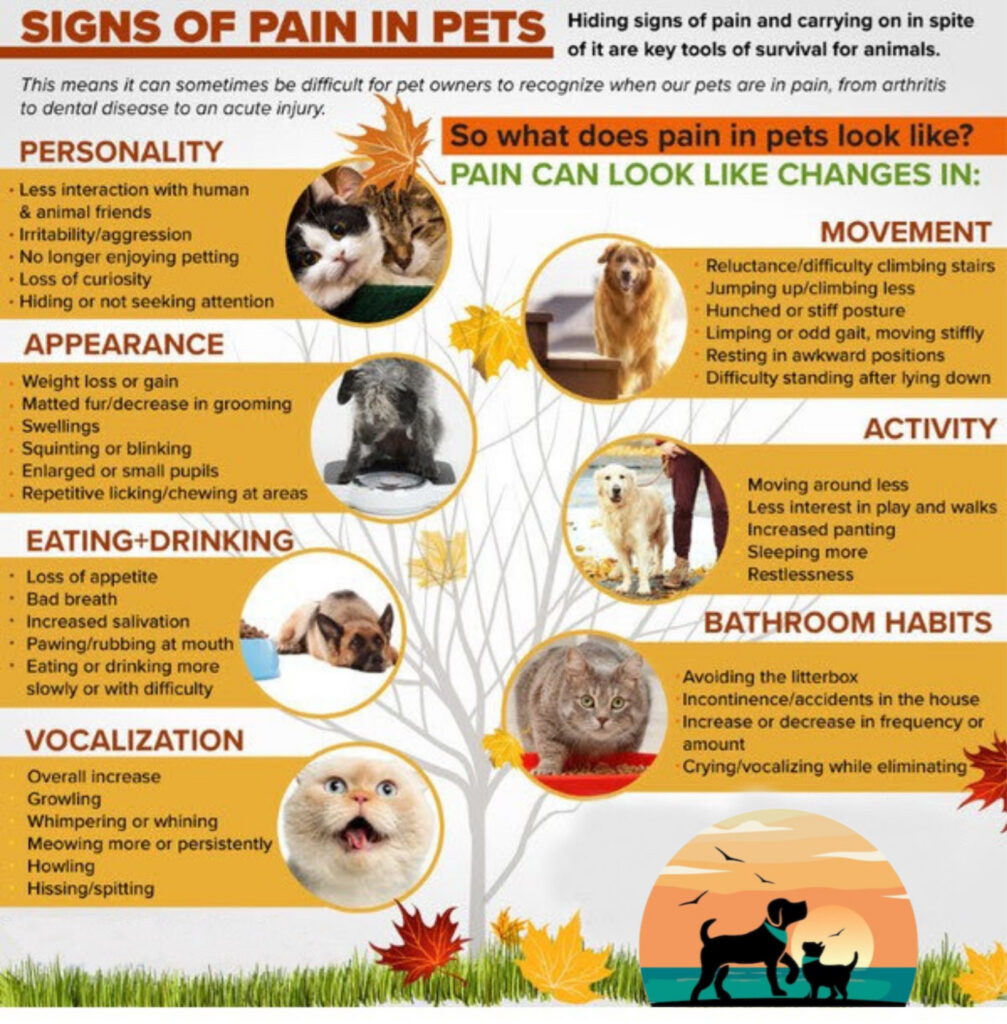
Effective Natural Pain Relief for Dogs and Cats
Many pet owners turn to conventional medications, but there are plenty of holistic options that can provide effective pain relief without the potential side effects of traditional drugs.
Here are some of the most proven effective:
1. DMSO (Dimethyl Sulfoxide)
DMSO is an organosulfur compound that comes in a colorless liquid form. It penetrates the skin easily and can be used as a single agent for treating conditions like knee swelling and arthritis in pets. To use it, apply DMSO topically to the affected joint twice daily.
For a more holistic approach, you can combine DMSO with topical pain creams such as Arnica gel, Traumeel, or CBD oil. This combination works well when applied twice daily.
2. Essential Oils
Essential oils like Frankincense (Boswellia) and Almond oil can be effective for relieving pain in pets.
- How to use: Dilute with a carrier oil, such as olive, coconut, or almond oil, and apply it topically to the affected area.
Frankincense has anti-inflammatory properties that help reduce pain and is especially beneficial for dogs.
3. Ginger
Ginger is known for its anti-inflammatory properties, which can help with joint and muscle pain. It contains phytochemicals that work to stop inflammation. When used in small doses, ginger has very few side effects.
- How to use: Fresh ginger can be steeped in boiling water to make tea, or grated into vegetable juice for your dog.
4. Heat and Cold Therapy
Heat and cold therapy can be incredibly effective for pain relief. Cold therapy helps reduce blood flow during the initial stages of injury, which is crucial for reducing swelling and pain.
- Cold Therapy: When I tore my Achilles tendon, cold therapy was one of the most effective treatments in reducing initial swelling.
Once the swelling subsides, heat therapy can be used to increase blood flow, which promotes healing by delivering oxygen and nutrients to the affected area. - Heat Therapy: Heating pads and heated braces are great options for applying heat to the affected area.
5. Essential Fatty Acids (EFA’s)
Essential fatty acids, such as flax oil, fish oil, and krill oil, play a significant role in reducing inflammation.
- How to use:
- Flax oil: 1 teaspoon per 10 lbs of body weight, once or twice daily.
- Fish oil: 1000 mg per 10 lbs of body weight.
- Krill oil: 1000 mg per 50 lbs of body weight.
6. Castor Oil
Studies have shown that castor oil, when applied topically, can reduce inflammation and relieve pain. One study demonstrated that treatment with a gel containing ricinoleic acid significantly reduced pain and inflammation when applied to the skin.
7. Arnica 30C
Arnica is a popular homeopathic remedy for acute injuries, muscle pain, stiffness, and swelling caused by injuries. It’s an easy remedy to administer—simply place the capsule under your pet’s lips to let them absorb or swallow it.
- Dosage: 1 capsule per 10 lbs of body weight every 2-4 hours for acute injuries and 1 capsule per day for long-term use.
I also recommend Traumeel, a homeopathic cream, which I’ve found to be very helpful for managing pain.
8. CBD (Cannabidiol) and Other Cannabinoids
Cannabidiol (CBD) and other cannabinoids such as CBC, CBG, and CBN are natural anti-inflammatories that can be very effective for pain relief in pets. These non-psychoactive compounds do not delay healing, making them a great choice for managing pain.
- How to use: A typical dose is 3 mg per 10 lbs of body weight, given once or twice daily.
9. Boswellia (Frankincense)
Boswellia is an herb traditionally used in India to treat arthritis and boost the immune system. It’s also known to treat other conditions like inflammatory bowel disease and heart disease.
- How to use: A therapeutic dose of 10-20 mg per 10 lbs of body weight per day will provide the anti-inflammatory benefits you’re looking for.
10. Curcumin
Curcumin, the active compound in turmeric, is well-known for its potent anti-inflammatory properties and has been extensively studied for its benefits in treating arthritis and natural pain relief.
Research has shown that curcumin can help ease the symptoms of osteoarthritis, making it a safe and effective option for pets with joint pain.
- How to use: Curcumin is a key ingredient in our new and tasty Hemp Infused Joint Chews for Dogs.
(From Dr. Andrew Jones, DVM)
Do Dogs See Some Colors Better Than Others?
Dogs’ vision works very differently from ours, and understanding that can actually help you buy toys they can see more easily (and maybe stop wasting money on that adorable red plaid chew bone he keeps losing in the grass).
Humans typically have three types of color receptors in our eyes, called cones. This gives us what scientists call trichromatic vision, meaning we can see a huge rainbow of colors. Dogs, however, only have two types of cones. They are dichromatic, which means their color world is much more limited.
So what colors can dogs actually see?
Dogs primarily see shades of:
• Blue
• Yellow
• Gray
• Brown-ish tones
What they don’t see well are:
• Red
• Orange
• Green
To a dog, red and green often appear as muddy brownish or grayish shades. In other words, that festive red-and-green Christmas tennis ball may look less like holiday cheer and more like “sad potato.”
Scientists often compare canine vision to red-green color blindness in humans. A bright green toy sitting in green grass can blend together visually for your dog, making fetch unnecessarily difficult. From your perspective, the toy is screaming, “HERE I AM!” From your dog’s perspective, it has entered witness protection.
This is why blue and yellow toys are generally the best choices for dogs.
A bright blue ball on green grass stands out dramatically to canine eyes. Yellow toys also pop nicely against darker backgrounds. If you’ve ever noticed that many professional agility tools, frisbees, and dog sports equipment are blue or yellow, there’s a reason for that. Dog trainers and manufacturers have figured out that these colors are easier for dogs to distinguish quickly.
Here’s a simple breakdown:
|
Toy Color |
How It Looks to Dogs |
Good Choice? |
|
Blue |
Bright and distinct |
Excellent |
|
Yellow |
Clear and visible |
Excellent |
|
Red |
Brownish/dark |
Poor |
|
Green |
Blends into grass |
Poor |
|
Orange |
Dull yellow-brown |
Mediocre |
|
Purple |
Often appears blue-ish |
Usually good |
Now, before anyone panics and throws out every red dog toy in the house, dogs don’t rely on vision alone. Their noses are still the undisputed superheroes of the animal kingdom. A dog’s sense of smell is so powerful that your Labrador could probably locate a meatball hidden inside a concrete bunker three counties away.
Dogs also detect motion extremely well. Even if they can’t see a red ball clearly sitting still in the grass, they may track it easily while it’s flying through the air. Once it lands, however, things can get… negotiable.
Another interesting fact is that dogs actually see better than humans in low light. Their eyes contain more rod cells, which are specialized for motion detection and dim lighting. So while your dog may struggle to identify a red toy in daylight, he can probably spot movement in the backyard at dusk long before you can. This explains why dogs sometimes bark furiously into the darkness while you’re standing there seeing absolutely nothing and reconsidering all your life choices.
When shopping for toys, visibility matters more than many people realize. Toys that are easier to see can:
• Make fetch less frustrating
• Help older dogs track objects better
• Increase engagement during play
• Reduce lost toys in grass or bushes
• Make training exercises easier
Texture and contrast also help. A blue toy with white stripes is often even easier for dogs to track than a solid color. Bright yellow floating toys are especially helpful for water-loving dogs because they stand out against darker water surfaces.
Of course, your dog may still ignore the carefully researched blue toy you bought and instead become emotionally attached to a dirty sock, a pinecone, or an empty cardboard box. Science can explain color vision, but it still has no answer for why dogs treasure garbage with such passion.
So if you want your dog to actually see his toys clearly, stick with blue and yellow whenever possible. Your dog may not appreciate the science behind your purchase, but he’ll probably spend less time sniffing around the yard looking confused — and that’s a win for everybody.
The Benefits of Homemade Dog Food
Homemade dog food offers several advantages over commercial dog food options. Here are the key benefits:
Control Over Ingredients
- Whole Foods: You can choose whole-food ingredients that are safe and healthy for your dog.
- Sourcing: You have control over where the ingredients come from, which can reduce concerns about food recalls and quality.
Nutritional Customization
- Tailored Diets: Homemade meals can be customized to meet your dog’s specific nutritional needs, such as age, weight, and health issues.
- Balanced Nutrition: You can ensure that the diet includes the right balance of proteins, fats, vitamins, and minerals.
Variety and Freshness
- Minimally Processed: Cooking methods can be less invasive than those used in commercial dog food production, preserving the nutritional value of ingredients.
- Diverse Ingredients: You can incorporate a variety of fresh ingredients, making meals more interesting for your dog.
Health Benefits
- Reduced Risk of Allergies: By selecting ingredients, you can avoid allergens that may be present in commercial foods.
- Improved Digestion: Fresh, whole foods can lead to better digestion and overall health for your dog.
Cost-Effectiveness
- Potential Savings: Making dog food at home can sometimes be more economical than purchasing premium commercial dog foods.
The Basic Recipe:

Homemade Dog Food
Ingredients
- 10 lbs chicken legs or leg quarters
- 4 cups organic white rice- cooked
- 6 cups quinoa- cooked
- 3 large organic carrots- cut up
- 3 organic sweet potatoes- cut up
- 1 bag frozen green beans
- 1 bag frozen peas
Add-ins for serving
- nutritional yeast
- organic wheat grass powder
- organic pumpkin puree
Instructions
- Cook chicken in a large pot and remove chicken with tongs leaving the broth in the pot.
- While the chicken cools, add the rest of the ingredients to the broth and cook until very tender. (You may need to add more water, or remove some, depending on what you started with.)
- When the chicken is cool enough, remove it from the bones and add to the finished broth/grain/vegetable mixture.
Adding extras
- I add a teaspoon of wheat grass in the winter when my girls have no grass to nibble on. I add nutritional yeast every time- about a tablespoon- but I have 80 lb dogs, so you may need to scale up or down. As for the pumpkin puree- I usually add a tablespoonful to keep my girls regular. Some dogs will only need pumpkin if they are have digestive issues.
Notes
How To Clip Your Dog’s Black Nails
Clipping black nails can be challenging because the quick, which is sensitive and contains blood vessels, is not visible. Here’s what you need to know:
- Nail Anatomy: Each nail has an outer hard shell and an inner quick. The quick is sensitive and should be avoided during trimming.
- Color Differences: Black nails make it difficult to see the quick, unlike lighter nails where the quick appears pink.
Proper Tools
Using the right tools is essential for safe and effective nail trimming. Here are some recommended tools:
| Tool Type | Description |
|---|---|
| Scissor-style Clippers | Good for precise cuts, suitable for small to medium dogs. |
| Guillotine-style Clippers | Stronger and more precise, ideal for larger dogs. |
| Nail Grinders | Smooths rough edges and allows gradual shortening. |
| Styptic Powder | Stops bleeding if the quick is accidentally cut. |
Step-by-Step Guide to Clipping Black Nails
Prepare Your Dog: Ensure your dog is calm and comfortable. You can do this by:
-
- Handling their paws regularly to build comfort.
- Letting them sniff the clippers.
- Offering treats during the process.
Trim Gradually:
-
- Trim a small amount of the nail at a time.
- Look for a chalky white ring that indicates you are nearing the quick. Stop trimming when you see this.
Observe the Nail: After each cut, check the nail for signs of the quick. If you see a dark spot, stop trimming to avoid cutting into the quick.
Stay Prepared: Have styptic powder or cornstarch on hand to stop any bleeding in case of an accident.
Professional Tips
- Frequency: Trim your dog’s nails every 3 to 4 weeks to prevent overgrowth and quick extension.
- Patience: Take your time and don’t rush the process. If your dog is anxious, consider doing one nail at a time.
- Professional Help: If you’re uncomfortable, seek assistance from a veterinarian or professional groomer for guidance.
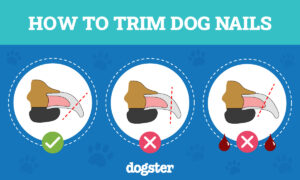
By following these steps and using the right tools, you can safely clip your dog’s black nails and keep them healthy.
Dog Dental Warning
Believe it or not, tennis balls pose a risk to your dog’s overall health: dental wear and tear.
That green fuzz might seem soft, but tennis balls are designed to withstand tennis courts and rackets. Board-certified veterinary dental specialists, warn that the fuzz is actually very abrasive, and accumulated dirt and sand increases the abrasive quality of the ball. As your dog chomps on a tennis ball, the fuzz acts like sandpaper, gradually wearing down her teeth in a process called “blunting.” This can eventually lead to dental problems such as exposed tooth pulp and difficulty chewing.
Some experts will tell you that your dog can still safely play with tennis balls as long as they don’t focus on chewing on the ball, but I’m here to tell you that’s NOT TRUE! Millie has played fetch with tennis balls all of her five years, and she never just wanted to just “chew on the ball” outside of her fetch activity. She did however, chew on the ball as she was bring it back for us to throw again.
This caused her to develop pulpitis, or exposed pulp from playing tennis ball fetch! She had to have a root canal (they couldn’t pull it since the affected tooth is such an important one, actually supplying structural foundation for her lower jaw.) she also has a tooth on top that needed the same treatment, along with a couple of others that had to be pulled. And she was ONLY 5 YEARS OLD at the time! So there’s really NO SAFE WAY to play with tennis balls.
I have purchased the blue, slick Chuck It balls on the advice of my Vet and Millie really likes them now since she was given no alternative, so the switch was not hard. They’re a little more expensive, but last much longer. And look at it this way- how costly are they really, compared to a doggie root canal??
How To Choose The Right Dog Breed
For many older adults, a dog provides companionship, emotional support, reduced stress, and increased daily activity. The ideal companion is one that matches a slower pace, requires moderate exercise, and is easy to care for.
Cavalier King Charles Spaniel

The Cavalier King Charles Spaniel is often considered one of the best companion dogs. These small, gentle dogs thrive on human interaction and love spending time curled up on a lap. They require only moderate exercise and are known for their friendly, adaptable temperament. Our son and his family own one of these beautiful dogs and they are a great fit for any age person or family.
Shih Tzu

The Shih Tzu is a calm and affectionate breed that does well in smaller living spaces. They are low-energy and enjoy short walks and indoor relaxation. Regular grooming is needed, but their loving nature makes up for the extra care.
Poodle (Toy or Miniature)

The Poodle—especially the toy and miniature varieties—is highly intelligent and easy to train. They are also considered hypoallergenic, which is helpful for seniors with allergies. Their manageable size and adaptable energy levels make them a versatile choice.
Bichon Frise

The Bichon Frise is cheerful, affectionate, and relatively easygoing. They enjoy companionship and are known for their playful yet gentle demeanor. Like poodles, they have a low-shedding coat but require regular grooming.
French Bulldog

The French Bulldog is ideal for seniors who want a low-maintenance dog. They don’t require much exercise and are content lounging around the house. Their sturdy build and minimal grooming needs are additional advantages.
Maltese

The Maltese is a small, affectionate breed that forms strong bonds with its owner. They are gentle and thrive in quiet environments, making them a great fit for seniors living alone or in apartments.
What to Consider Before Choosing
Even within ideal breeds, it’s important to think about:
• Energy level: Low to moderate energy dogs are usually best.
• Size: Smaller dogs are easier to handle, especially for those with mobility concerns.
• Grooming needs: Some low-shedding breeds require frequent grooming.
• Temperament: Look for calm, friendly, and trainable personalities.
• Health considerations: Older dogs from shelters can sometimes be an excellent match, as they are often already trained and less energetic.
Final Thoughts
The best dog for an elderly person isn’t just about breed—it’s about compatibility. A calm, affectionate dog that fits comfortably into daily routines can bring years of joy, companionship, and comfort!

Our Beloved Gray Baby 2010~2026

Disclaimer