Golden (Oldies) Health
Bras and Breast Cancer
Would you consider giving up your bra to reduce the risk of breast cancer?
DID YOU KNOW?
* Women who do not wear bras have a breast cancer risk as low as that of men, but the risk increases with the tightness and duration of bra wear.
* If you notice red marks or indentations on your skin, it means that your bra is too tight.
* Wearing a bra while sleeping interferes greatly with breast health.
* Bras can contribute to breast sagging, the formation of cysts, and discomfort. Fibrocystic breast disease could be more accurately termed Tight Bra Syndrome.
* Additionally, bras can weaken the natural ligaments, leading to sagging breasts.
* The most effective method to lower the risk of breast cancer is to avoid tight bras. Going bra-free is optimal for breast health. **BRA ALTERNATIVES LISTED AT THE END OF THIS ARTICLE
Common Misconceptions:
There is significant profit in the sale of bras and in the detection and treatment of breast cancer. A great deal of misinformation exists regarding bras, with some industries labeling the connection between bras and cancer as a “myth.” Despite presenting evidence to organizations like the American Cancer Society, they refuse to acknowledge the potential link between bras and cancer. Even more troubling, they have misrepresented the connection and funded research aimed at disproving it. Here are some of their falsehoods.
1. From Breastcancer.org: “Underwire bras do not cause breast cancer. Only one scientific study has examined the relationship between bra usage and breast cancer. There was no significant difference in risk between women who wore bras and those who did not.”
Fact: There is no such study, and no citations are provided to substantiate this assertion. This statement from breastcancer.org attempts to obscure the study’s shortcomings.
2. From the American Cancer Society, “There are no scientifically valid studies that show wearing bras of any type causes breast cancer.”
Fact: Numerous studies exist. The ACS declines to advocate for further research and does not acknowledge the existence of supportive studies.
3. From the Fred Hutchinson Cancer Research Center, “Our study found no evidence that wearing a bra increases a woman’s risk for breast cancer. The risk was similar regardless of how many hours per day women wore a bra, whether they wore a bra with underwire, or at what age they began wearing a bra.”
Fact: This is the sole study that failed to establish a link between bra usage and cancer. The research did not include any women who did not wear bras and only focused on bra-wearing women over the age of 55. This absence of a control group of bra-free women hinders any conclusions regarding the effects of bra usage. This limitation was acknowledged by the authors in the study text, yet it was omitted from the press release. Furthermore, the exclusion of women under 55 restricts the study. Ultimately, this study is largely ineffective and serves more as propaganda than as a valid research effort.
What could be the reason that organizations such as the ACS, Komen Foundation, and breastcancer.org, which is referenced by numerous websites, might LIE TO THE PUBLIC regarding this matter? In a discussion with David Sampson, the ACS director of communications, it was indicated that extensive research is required before they can endorse this issue, as there would be significant backlash if it were proven that bras contribute to cancer.
This situation mirrors the lengthy 30-year period and 7000 studies it took for the US Surgeon General to confirm the link between tobacco and cancer. Industries affected by profit and loss often resist such findings.
Previous breast cancer studies have been flawed because of their failure to actually use bras. This is akin to investigating lung cancer while disregarding whether participants smoke!
The reason this issue has not been entirely silenced is that women who have ceased wearing bras based on this information have personally experienced relief from breast pain and cysts once they stopped using bras. Furthermore, breasts tend to lift and tone as the natural suspensory ligaments regain their strength after years of reliance on artificial support. These women also report an increased ease of breathing without the constriction of a tight band around their chests.
It is obviously not healthy for a woman to restrict her breasts for extended periods daily, for all of her adult life. And frankly, neglecting the role of bras in the study of breast disease is akin overlooking smoking in the examination of lung disease.
There are alternatives to wearing restrictive bras-
- Try a ‘nipple concealer’. These are even sold at Walmart for just $4 a pair. They are silicone self-adhesive circles that fit right over the nipple if you aren’t comfortable with those showing through silkier fabric blouses. *see caution below
- Adhesive bras. These offer coverage of each entire breast, not just the nipple. They are also silicone self-adhesive. *caution- when using silicone always- check for skin allergy reactions, apply to clean, dry skin, and limit wear time to 8 hours.
- Camisole tops. These are very soft material tank tops that go under your shirt and give a slight amount of covering without restriction or binding.
- Camisole tops with padding. These are available in many clothing stores and have built in padding only in the front, not a full wrap around.
- The last option is a simple clothing layering technique, such as wearing a looser top over a tank top, or a sweater over a blouse. The next best thing to completely braless!
Remember- when the girls are happy- everybody’s happy!
Carrageenan: The Seaweed Ingredient That Has Some Scientists Raising an Eyebrow
Just because it comes from the ocean doesn’t mean it’s automatically a health food. If you’ve ever glanced at an ingredient label and stumbled across the word carrageenan, you may have wondered whether it was food, seaweed… or the name of a pirate captain.
Carrageenan is actually a thickening and stabilizing agent extracted from red seaweed. Food manufacturers love it because it gives products that smooth, creamy texture we all enjoy. Unfortunately, your digestive system may not always be as enthusiastic.
While many regulatory agencies consider carrageenan safe in normal amounts, a growing body of research suggests it may contribute to digestive irritation and inflammation in susceptible individuals. As with many food additives, the story isn’t completely black and white—but it’s worth knowing what you’re eating.
What Exactly Is Carrageenan?
Carrageenan is harvested from red seaweed and is widely used to thicken, stabilize, and improve the texture of processed foods. Think of it as the ingredient whose full-time job is keeping your almond milk from looking like cloudy water.
Unlike gelatin, which comes from animal collagen and contains beneficial amino acids, carrageenan contributes absolutely nothing nutritionally. It’s there purely for texture—not for your health.
Why Are Some Researchers Concerned?
The biggest concern centers around its potential effects on the digestive tract. Studies suggest that people with digestive disorders—particularly inflammatory bowel diseases—may be more sensitive to carrageenan and could benefit from avoiding it. More human research is still needed, but if your stomach tends to file complaints after certain processed foods, carrageenan may be one ingredient worth investigating.
Potential Health Risks
Researchers who question carrageenan’s safety often point to studies linking it with several health concerns.
Large bowel ulceration and ulcerative colitis: Animal studies involving guinea pigs and rabbits have demonstrated ulcer formation in the colon after exposure to carrageenan.
Inflammatory bowel disease: A 2021 clinical study suggested that eliminating carrageenan from the diet helps some people with inflammatory bowel disease remain in remission.
Inflammation: Laboratory and animal studies show carrageenan can activate inflammatory pathways within cells. Your immune system doesn’t always appreciate surprise parties.
Glucose intolerance and insulin resistance: Research involving mice and human cells indicates carrageenan may interfere with normal insulin signaling and reduce glucose tolerance.
Immune suppression: One rat study found temporary suppression of antibody production after consuming carrageenan.
Growth of abnormal colon glands: A 1997 study reported increased development of abnormal colon glands, which may contribute to the formation of colon polyps.
Fetal toxicity: Some older studies from the 1980s suggested possible developmental concerns, although additional research is needed before drawing firm conclusions.
Where Is Carrageenan Hiding?
This additive shows up in far more products than most people realize. Once you start reading ingredient labels, you’ll wonder if carrageenan has a part-time job stocking grocery store shelves.
Common sources include:
- Almond milk
- Coconut milk
- Hemp milk
- Rice milk
- Soy milk
- Chocolate milk
- Buttermilk
- Eggnog
- Kefir
- Coffee creamers
- Cottage cheese
- Ice cream
- Sour cream
- Yogurt
- Deli meats
- Canned soups and broths
- Frozen pizzas
- Microwave meals
- Infant formula
- Nutritional drinks
Because carrageenan is plant-derived, it’s especially common in vegan and dairy-free products where it replaces gelatin.
Better Alternatives
Fortunately, food manufacturers have several other thickening agents available that don’t carry the same level of controversy.
Agar Agar: Another seaweed-derived thickener that works much like vegan gelatin. It may even provide digestive benefits and help regulate blood sugar.
Guar Gum: A natural stabilizer commonly used in dairy alternatives, soups, yogurts, and gluten-free baking.
Gum Arabic: Derived from tree sap, gum arabic may help support digestive health and cholesterol levels, although some people experience gas or bloating.
Gelatin: Made from collagen, gelatin provides protein and may support gut, skin, and joint health.
Pectin: Found naturally in citrus fruits and apples, pectin is rich in fiber and commonly used to make jams and jellies.
Reading Labels Pays Off
Many companies now proudly advertise their products as “carrageenan-free,” especially plant-based milks and dairy alternatives.
These products may separate while sitting in the refrigerator—but don’t panic. That’s simply what happens when food behaves… well… like actual food. A quick shake is far less concerning than needing a chemistry degree to pronounce every ingredient.
Whenever possible, choose minimally processed foods and certified organic products, and always read ingredient labels carefully.
Should You Avoid Carrageenan?
If you suffer from digestive disorders, chronic inflammation, IBS, inflammatory bowel disease, or simply notice that certain processed foods consistently upset your stomach, eliminating carrageenan for several weeks may be a worthwhile experiment.
Some individuals may also have a sensitivity or allergy to carrageenan. If you consistently experience digestive discomfort or other symptoms after eating foods that contain it, discontinue use and speak with your healthcare provider.
Carrageenan remains one of the more controversial food additives. While regulatory agencies continue to consider carrageenan safe, enough research exists to justify caution—especially for people with sensitive digestive systems.
Fortunately, avoiding it isn’t difficult once you know where it hides. Your grocery shopping may take a few extra minutes, but your digestive tract will probably appreciate the effort.
We Are Eating Ourselves To Death
What makes this even more alarming is when overeating is combined with poor food choices and a sedentary lifestyle. Water only fasting could be your short answer to better health!
Water-only fasting is a strict dietary approach that, as the name implies, involves refraining from all caloric intake. During this fast, you are expected to consume only pure water. Rest is a crucial component of water-only fasting, as it helps prevent unnecessary depletion of nutrient reserves.
Typically, water fasts last anywhere from 24 to 72 hours, although some may extend beyond this period under medical supervision. In a clinical setting, healthcare professionals usually conduct regular physical examinations, urine tests, and blood tests to monitor for any signs of distress.
The Benefits Of Water Fasting
There are various motivations for engaging in water fasting, including weight loss, detoxification, preparation for medical procedures, and spiritual practices. However, one of the most commonly promoted reasons for water-only fasting is for the health benefits, which may include:
Autophagy:
Research indicates that water fasting might encourage autophagy, a process in which cells are dismantled and recycled. By preventing the accumulation of damaged cells, autophagy could help safeguard the body against diseases such as cancer, heart disease, and neurodegeneration.
Improved Insulin Sensitivity:
Water fasting may offer protection against diabetes by enhancing insulin sensitivity. Increased insulin sensitivity means that your body can more effectively manage blood sugar levels, contrasting with insulin resistance, which is a significant risk factor for type 2 diabetes.
Helps Lower Blood Pressure:
A study published in The Journal of Alternative & Complementary Medicine shows that medically-supervised water-only fasting is a safe and effective method for normalizing blood pressure. Researchers observed 68 individuals with borderline high blood pressure, and after 14 days of water-only fasting, approximately 82% experienced a reduction in blood pressure to healthy levels. This is not surprising, as a lower salt intake combined with increased water consumption is linked to healthier blood pressure readings.
Decreases the Risk of Heart Disease:
Studies suggest that fasting reduces the risk of heart disease by providing protection against harmful free radicals. In a study published in the journal Nutrition, Metabolism and Cardiovascular Diseases, researchers discovered that a 24-hour water fast helped lower triglyceride and cholesterol levels in the blood—both of which are associated with a heightened risk of heart disease. The study concluded by recommending short-term water-only fasting as a potential preventative measure for reducing the risk of metabolic diseases.
Possible Dangers:
While research indicates that water-only fasting may offer benefits, it’s essential to be aware of the potential downsides of this practice. Before embarking on this diet, it’s crucial to consider the possible dangers of water-only fasting.
Some adverse health effects may include loss of body weight, significant drops in blood pressure, decreased physical performance, nutrient deficiencies, and fatigue. Moreover, individuals with eating disorders, gout, diabetes, chronic kidney disease, heartburn, older adults, and pregnant women are generally advised against this diet, as water-only fasting could negatively impact their health conditions.
The process of water fasting can be divided into three main stages:
• Pre-Fast: It’s wise to get your body ready before you start cutting back on calories. Consider spending a few days doing intermittent fasting for a few hours or reducing the size of your meals.
• Water-Only Fasting Period: As previously stated, water-only fasting strictly prohibits any calorie intake during the fasting phase. You should only consume 2-3 liters of pure water without any additives.
• Post-Fast: When you finish your fast, steer clear of heavy meals immediately. Doing so can trigger rapid metabolic changes, which may expose you to a serious condition known as refeeding syndrome.
In a nutshell- water only fasting allows your dis-eased body to bring itself back into a healthy balance by consuming unhealthy cells!
Natural Pain Relief For Arthritis
Several supplements have shown potential in alleviating arthritis pain. Here are some of the most commonly recommended options.
White Willow Bark
The white willow, scientifically known as Salix alba, is a plant from which extracts are derived from its bark. Historically, this plant has been extensively utilized to address various ailments due to its anti-inflammatory, antipyretic, and analgesic characteristics. In contemporary settings, it serves as a remarkable natural remedy for headaches, chronic lower back pain, joint discomfort, and osteoarthritis. While further research is warranted, willow bark also shows potential in alleviating menstrual cramps, fever, flu, tendon inflammation, and pain associated with cancer.
*If you have any of these health conditions you should avoid using white willow bark: Bleeding disorders (because white willow interferes with blood clotting),Kidney disease, aspirin allergy, asthma, ulcers (stomach), diabetes, liver disease, or upcoming or recent surgeries.
Capsaicin
Capsaicin, the active ingredient found in hot peppers, has been utilized in topical creams since the 1980s for pain relief. Recently, both the EU and the USA have sanctioned the use of a capsaicin patch, which has demonstrated effectiveness in managing neuropathic pain when compared to traditional pain medications. A single application of the Qutenza™ patch for 60 minutes has been shown to provide pain relief for as long as twelve weeks in patients suffering from neuropathic pain. The capsaicin patch achieves this by desensitizing pain receptors, thereby reducing pain effectively and immediately over an extended duration.
Boswellia
Boswellia is a tree renowned for its aromatic resin, which possesses therapeutic properties for pain management. Studies indicate that different variants of Boswellia extract can quickly relieve pain and effectively manage chronic pain associated with osteoarthritis. For individuals suffering from arthritis, Boswellia demonstrated improvements in pain, mobility, and joint flexibility after an eight-week treatment period.
Cat’s Claw
Cat’s claw is a widely used remedy for osteoarthritis. Its strong anti-inflammatory characteristics assist in reducing joint swelling. As a result, cat’s claw can significantly diminish pain, enhance mobility, and avert additional harm to the affected joints – often within the initial week of treatment.
*Cat’s claw is known to interact with several medications, including high blood pressure and immune-modulating drugs. Don’t take if you have any type of autoimmune illness (like multiple sclerosis and lupus), bleeding disorder, low blood pressure or leukemia.
Omega-3 Fatty Acids
Omega-3 fatty acids are present in various fresh fish such as salmon and tuna, in addition to vegetables like Brussels sprouts and kale. These foods are often referred to as “heart-healthy” due to their ability to enhance cardiovascular health and lower the risk of hypertension, heart attacks, and strokes. This is attributed to the powerful anti-inflammatory effects of omega-3s, which can also alleviate pain in certain situations. A study conducted in 2015 demonstrated that omega-3 fatty acids could reduce pain either independently or in combination with morphine.
*Higher doses of omega 3s may cause digestive issues, abnormal bleeding such as nosebleeds or bleeding gums, and even a decrease in immune system function. Begin with a low dose and watch for any of these signs.
Curcumin
Curcumin, a key ingredient in the herb turmeric, is known for its strong analgesic properties. Two studies conducted in 2011 demonstrated the efficacy of curcumin in treating neuropathic pain and post-operative pain following laparoscopic cholecystectomy. By the third week after surgery, participants in the latter study reported being entirely free of pain. Additionally, another study highlighted curcumin’s ability to relieve severe pain, such as that caused by burns, due to its potent anti-inflammatory properties.
*Higher doses may cause increased risk of bleeding, increased liver function tests, low blood pressure, uterine contractions in pregnant women, and increased menstrual flow.
Floaters, Flashes & Cobwebs: What Your Eyes May Be Trying to Tell You
An age-related eye change that’s usually harmless, but PVD is one you should never ignore.
What is PVD?
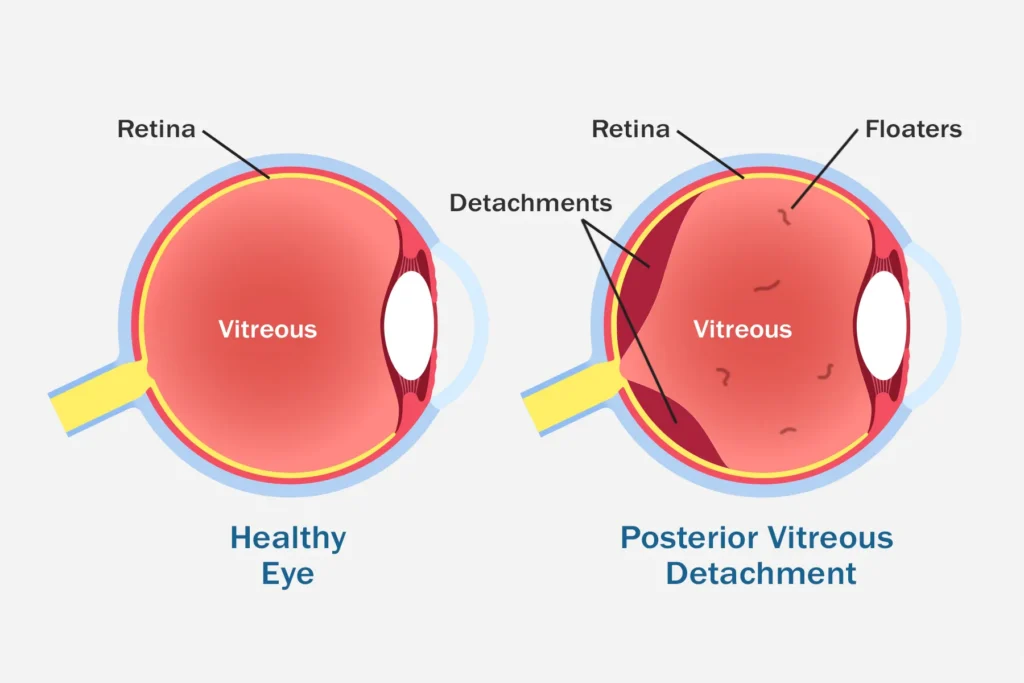
Posterior Vitreous Detachment (PVD) is a prevalent ocular condition that arises when the vitreous gel, a transparent and jelly-like substance within the eye, separates from the retina. The vitreous gel serves to maintain the shape and provide nutrients to the eye, playing an essential role in preserving ocular health. Light traverses the vitreous gel to reach the retina located at the back of the eye, where it is transformed into visual signals. When the vitreous gel detaches from the retina, this phenomenon is referred to as vitreous detachment.
How Do I Get a PVD?
As individuals age, various components within the eye experience changes. The vitreous body becomes increasingly watery and less gelatinous, resulting in a diminished capacity to retain its original form. This alteration in structure heightens the probability of the vitreous separating from the retina, culminating in a PVD. While aging is the predominant cause, other factors may also contribute to the onset of PVD. Trauma to the eye can also induce a PVD. This may occur due to a forceful impact, such as a punch from a boxer, or even from seemingly innocuous actions like forceful nose blowing. Furthermore, PVD may manifest as a complication following surgical procedures, particularly after cataract surgery.
Who Can Get PVD?
PVD is relatively common, impacting around 75% of individuals over the age of 65. Although it is less frequent among those in their 40s and 50s, the condition is not uncommon and can still arise. Studies have shown that PVD is more prevalent in women than in men. It is crucial to understand that PVD does not indicate the presence of disease or other ocular health issues. For the majority, it occurs naturally as a part of the aging process. The condition is infrequent in individuals with emmetropia (normal vision without the need for distance correction) or those younger than 40. However, the risk of developing PVD escalates with age, affecting up to 86% of individuals in their 90s. Those with myopia (nearsightedness) face a higher risk of experiencing PVD at any age compared to individuals without this condition.
Will PVD Impact My Vision?
The good news is that most PVDs are more annoying than dangerous. The bad news is that your brain will spend the next several days wondering if there’s a spider dangling in front of your face.
PVD does not pose a direct risk to your vision; however, it can lead to several common symptoms that may influence your visual perception. These symptoms include:
Floaters: These are dots, circles, lines, or clouds that drift within your field of vision. Floaters have an uncanny ability to behave like that one mosquito in your bedroom—they always seem to dart away the instant you try to focus on them.
Brief Flashes of Light: As the vitreous gel pulls on the retina, it may stimulate it, resulting in the sensation of a flash of light.
Cobweb Effect: This visual phenomenon creates the impression that your vision is overlaid with a cobweb. Some individuals may experience all three symptoms, while others may only notice one or two. It is important to note that these symptoms can also signify more serious conditions, such as a retinal tear, which necessitates immediate medical attention.
What to Do If You Suspect a PVD
The only definitive method to diagnose a PVD is through a comprehensive eye examination conducted by an optometrist. If you suddenly notice any of the following symptoms, it is imperative to seek professional evaluation as soon as possible—ideally on the same day, or at least within 24 hours: A sudden onset of floaters, or a significant increase in their size and quantity. Flashes of light and/or a change or increase in the frequency of these flashes. Blurred vision. A dark ‘curtain’ moving up, down, or across your field of vision, which may suggest that the retina has partially detached. It is crucial to keep in mind that in most instances, these symptoms are solely attributed to PVD, which seldom leads to long-term vision problems.
The Bottom Line
Posterior vitreous detachment is one of the most common changes that comes with getting older. For most people, it’s simply another reminder that birthdays keep happening—whether we approve or not. While the floaters and flashes often become less noticeable over time, any sudden change in your vision deserves prompt attention. A quick visit to your eye doctor can provide peace of mind—or catch a retinal problem before it threatens your eyesight. When it comes to your vision, it is always prudent to have your eyes examined to confirm the diagnosis and exclude more serious conditions such as retinal detachment or tears.
Lifestyle Solutions for Arthritis Pain Relief
Helping Your Joints Feel Younger… Even If Your Birth Certificate Disagrees
If you’ve ever stood up from the couch and made noises that sound suspiciously like an old wooden door opening, welcome to the arthritis club.
Arthritis affects millions of people, and while medications come with lots of side effects, many people are discovering that Mother Nature has quite a few tricks up her sleeve. Natural therapies won’t magically give you the joints of a twenty-year-old gymnast, but they can often reduce pain, improve mobility, and help you enjoy life with fewer aches and pains.
1.Oxalates And Arthritis: For individuals suffering from arthritis, elevated oxalate levels can result in the development of crystals within the joints. This crystallization may provoke painful sensations and intensify inflammation. A high oxalate diet can cause:
Joint Discomfort: Oxalate crystals can accumulate in joint tissues, leading to stiffness and tenderness.
Inflammatory Response: The buildup of oxalates can contribute to heightened inflammation, aggravating arthritis symptoms.
Preexisting Conditions: Those with disorders such as fibromyalgia or rheumatoid arthritis may exhibit heightened sensitivity to oxalates.
This works! ~ I passed a kidney stone once, had it sent to a lab and found out it was formed from the oxalates in my diet (keto at the time) What was my immediate reaction after going through the most painful experience on Earth? Join a Facebook group about kidney stones of course! I found out that drinking the juice of 1/2 of a lemon in water every day, or even twice a day, would prevent more stones from forming by changing the acid/alkaline environment in the urinary system. After drinking this for just a week I was bolting up the basement stairs with no knee pain! (It prevented oxalates from forming and therefore they weren’t settling in my joints.) Read this article I recently wrote about the dangers of high oxalate foods: Oxalate Dangers
2.Keep Moving… Even When You Don’t Feel Like It
This may sound backward. When your joints hurt, the last thing you want to do is move them. Ironically, that’s exactly what they need. Motion keeps joints lubricated, strengthens the muscles that support them, and helps reduce stiffness. The key is choosing activities that are gentle rather than punishing.
Excellent choices include:
- Walking
- Swimming
- Water aerobics
- Cycling
- Tai Chi
- Gentle yoga
Swimming deserves special recognition because water supports much of your body weight, allowing painful joints to move with much less stress. Many people who can barely walk comfortably on land find they move surprisingly well in a pool. Even a short daily walk can improve circulation, reduce inflammation, strengthen bones, and boost mood—an important benefit since chronic pain often takes an emotional toll.
3.Stretch Every Day
Think of your joints as rusty hinges. If a door sits untouched for years, it squeaks and sticks. Give those hinges regular movement and a little oil, and suddenly everything works much better. Gentle stretching works much the same way.
Stretching helps:
- Improve flexibility
- Reduce stiffness
- Increase range of motion
- Decrease muscle tension around painful joints
Morning is often the stiffest time of day for arthritis sufferers. Spending just five to ten minutes stretching after a warm shower can make a remarkable difference. The goal isn’t becoming a yoga instructor—it’s simply helping your body move more comfortably.
4.Lose a Few Pounds… Your Knees Will Thank You
One of the most effective “treatments” for arthritis doesn’t come in a bottle. It comes from reducing excess weight. This worked for me! Even losing 5-10% of your body weight will make your knees and hips feel SO much better. Researchers estimate that every extra pound carried places roughly four additional pounds of pressure on the knees during walking. That means losing just ten pounds can remove approximately forty pounds of stress from your knee joints with every step. Your hips, ankles, and lower back will appreciate the lighter workload as well.
5. Eat to Calm Inflammation
Inflammation is one of arthritis’s greatest accomplices. Fortunately, many foods naturally help cool inflammatory processes.
Build your meals around foods like:
- Fatty fish such as salmon, sardines, and mackerel
- Walnuts
- Flaxseed
- Colorful fruits and vegetables
- Low oxalate Leafy greens
- Olive oil.
6.Don’t Forget Water
Cartilage contains a surprising amount of water. Although drinking more water won’t magically replace worn cartilage, proper hydration supports healthy joint tissues and helps the body function at its best. Many people walk around mildly dehydrated without realizing it. Your joints, muscles, and entire body perform better when adequately hydrated.
7.Heat or Ice? The Answer Is… Both
People often wonder whether heat or cold is better for arthritis. The answer depends on what’s happening.
Heat Works Well For:
- Morning stiffness
- Tight muscles
- Aching joints
- Chronic discomfort
Warm baths, heating pads, warm towels, or even paraffin wax treatments for the hands can provide soothing relief by increasing blood flow and relaxing muscles.
Cold Works Best For:
- Swollen joints
- Flare-ups
- Sharp pain after activity
- Inflammation
Ice packs help numb painful tissues and reduce swelling. Just remember to wrap ice in a towel—your skin doesn’t appreciate direct contact with frozen anything.
8.Consider Acupuncture
Once viewed with skepticism in the West, acupuncture has become increasingly accepted as a complementary therapy. Some research suggests it may help reduce arthritis pain by stimulating nerves, encouraging the release of the body’s natural pain-relieving chemicals, and improving circulation. While results vary from person to person, many arthritis sufferers report noticeable relief after several treatments.
9.The Healing Power of Massage
A skilled massage therapist can do much more than simply help you relax.
Gentle massage may:
- Improve circulation
- Reduce muscle tension
- Increase flexibility
- Ease pain
- Lower stress hormones
Because muscles surrounding painful joints often tighten to “protect” them, relieving that tension can improve overall comfort.
10.Helpful Supplements
Several natural supplements have shown promise for supporting joint health.
Among the most researched are:
- Glucosamine sulfate
- Chondroitin sulfate
- MSM (methylsulfonylmethane)
- Boswellia
- Curcumin
- Omega-3 fish oil
- Collagen peptides
Results vary, and supplements usually require several weeks before benefits become noticeable. As always, consult your healthcare provider or do your research involving any other conditions you have before starting any supplement, especially if you take blood thinners or other prescription medications.
11.Don’t Underestimate Sleep
Pain interferes with sleep~Poor sleep increases inflammation~Inflammation worsens pain.
Congratulations—you’ve just met one of arthritis’s favorite vicious cycles. Improving sleep hygiene, maintaining a consistent bedtime, limiting evening screen time, and creating a comfortable sleeping environment can make a significant difference in pain levels over time.
12.A Positive Outlook Matters
Living with arthritis isn’t simply about treating joints—it’s about treating the whole person.Stress, anxiety, and depression can amplify pain perception. Activities that calm the mind, such as meditation, singing, deep breathing, spending time outdoors, prayer, hobbies, or simply laughing with friends, can all help reduce the burden of chronic pain.
Your joints have carried you through every chapter of your life. With a little care and attention, they’ll be much happier accompanying you through the chapters yet to come.
Fatty Liver Disease: Up To 40% Of Americans May Have This Silent Killer Hiding in Plain Sight
Fatty Liver Disease has become one of the most common chronic health conditions in America, often progressing quietly for years before a person realizes there is a problem.
The Disease You Can Have Without Knowing It
One of the most dangerous aspects of fatty liver disease is that it usually causes no symptoms in its early stages. A person can go years—even decades—with a liver slowly accumulating fat and inflammation while feeling completely normal. Many people discover they have fatty liver disease only after routine blood work shows elevated liver enzymes or an ultrasound performed for an unrelated reason reveals abnormalities.
By the time symptoms appear, significant damage may already have occurred. Possible late-stage symptoms include:
• Fatigue
• Abdominal discomfort
• Loss of appetite
• Unexplained weight loss
• Yellowing of the skin and eyes (jaundice)
• Swelling in the abdomen
• Easy bruising
• Mental confusion
These symptoms often indicate advanced liver damage rather than simple fatty liver.
How Common Is Fatty Liver Disease?
Current estimates suggest that approximately 30% to 40% of American adults have non-alcoholic fatty liver disease (NAFLD), now increasingly referred to as metabolic dysfunction-associated steatotic liver disease (MASLD).
Think about that for a moment. That means roughly one out of every three adults may have excess fat accumulating in their liver. But is the true percentage even higher? Possibly. Since most people experience no symptoms, many cases go undiagnosed. Unless a person receives imaging studies or specific blood tests, fatty liver disease can remain hidden. Therefore, the actual prevalence may be significantly greater than official estimates suggest.
Your Liver: The Hardest Working Organ Nobody Appreciates
The liver performs more than 500 vital functions. It helps:
• Detoxify chemicals
• Process medications
• Regulate blood sugar
• Produce bile for digestion
• Store vitamins and minerals
• Metabolize fats and proteins
In other words, your liver is basically the unpaid intern working overtime while everyone else takes credit. Unfortunately, modern lifestyles can overwhelm this hardworking organ.
What Causes Fatty Liver Disease?
Non-Alcoholic Fatty Liver Disease (NAFLD/MASLD)
This form is not caused by alcohol. Common risk factors include:
• Obesity
• Insulin resistance
• Type 2 diabetes
• Metabolic syndrome
• High triglycerides
• Excess sugar consumption
• Sedentary lifestyle
• Rapid weight gain
One major culprit appears to be excessive fructose intake from soft drinks, processed foods, and sweetened beverages.
Alcohol-Related Fatty Liver Disease
This form develops when alcohol overwhelms the liver’s ability to process toxins. Alcohol metabolism creates inflammatory compounds and oxidative stress that damage liver cells. Unlike non-alcoholic fatty liver disease, alcohol is the primary cause.
However, regardless of which type you have, alcohol becomes a problem once liver damage is present. If you’ve been diagnosed with fatty liver disease, avoiding alcohol entirely is generally the safest choice. A liver that is already struggling doesn’t need additional work.
How You Can Tell If Your Fatty Liver Is Alcohol Related:
You can do this by looking at your lab results- In alcohol-related liver disease, AST levels are typically higher than ALT, often with an AST:ALT ratio greater than 2:1, while in nonalcoholic fatty liver disease (NAFLD), ALT is usually higher than or equal to AST.
The Stages of Fatty Liver Disease
Stage 1: Simple Fatty Liver (Steatosis)
Fat accumulates inside liver cells.
At this point:
• Damage is often reversible
• Symptoms are usually absent
• Lifestyle changes can be highly effective
Stage 2: Steatohepatitis
Inflammation develops. In non-alcoholic disease this is called NASH (non-alcoholic steatohepatitis). Now the liver is becoming irritated and injured.
Stage 3: Fibrosis
Persistent inflammation begins creating scar tissue. The liver still functions, but damage is accumulating. This stage represents a critical turning point because fibrosis may continue progressing if the underlying causes aren’t addressed.
Stage 4: Cirrhosis
Extensive scarring replaces healthy liver tissue. At this stage:
• Liver function becomes impaired
• Complications increase dramatically
• Liver failure becomes possible
• Liver cancer risk rises significantly
Some damage may be permanent. This is why early detection matters so much.
How Is Fatty Liver Diagnosed?
Doctors may use:
Blood Tests
Blood work may reveal elevated:
• ALT
• AST
• GGT
However, normal liver enzymes do not guarantee a healthy liver.
Ultrasound
Often the first imaging test used. It can detect fat accumulation but cannot always determine the degree of scarring.
FibroScan
A specialized test that measures liver stiffness and estimates fibrosis.
MRI
Provides more detailed information about fat accumulation and liver health.
Liver Biopsy
Sometimes considered the gold standard for determining inflammation and scarring.
Natural Strategies to Support Liver Recovery
The encouraging news is that early-stage fatty liver disease is often reversible.
Lose Excess Weight
Even a modest weight loss of 5% to 10% of body weight can significantly improve liver health. Crash dieting is not recommended. Slow and steady wins this race.
Reduce Sugar Consumption
Particularly:
• Soft drinks
• Sweet tea
• Candy
• Processed desserts
• High-fructose corn syrup
The liver converts excess sugar into fat remarkably efficiently. Unfortunately, it never got the memo that most of us would be eating birthday cake three times a week.
Increase Physical Activity
Exercise helps:
• Improve insulin sensitivity
• Reduce liver fat
• Promote weight loss
• Improve overall metabolic health
Even brisk walking can produce measurable benefits.
Eat Whole Foods
Focus on:
• Vegetables
• Lean proteins
• Healthy fats
• Berries
• Eggs
• Fish
• Nuts
Minimize:
• Ultra-processed foods
• Excessive sugar
• Refined carbohydrates
Herbal and Nutritional Support
Milk Thistle
Milk thistle contains silymarin, a compound studied for its antioxidant and liver-supportive effects. Many practitioners consider it one of the premier herbs for liver health.
Dandelion
Traditionally used to support bile flow and digestive function. Many herbalists use dandelion root as part of a liver-support protocol.
NAC (N-Acetyl Cysteine)
NAC helps the body produce glutathione, one of the body’s most important antioxidants. Research suggests it may help reduce oxidative stress within the liver.
Glutathione
Often called the body’s “master antioxidant.” Healthy glutathione levels are important for detoxification and liver protection.
Omega-3 Fatty Acids
May help reduce liver fat accumulation and inflammation.
When Natural Medicine Isn’t Enough
Natural interventions can be remarkably helpful during early stages. However, once advanced fibrosis or cirrhosis develops, medical management becomes essential.
A hepatologist (liver specialist) may recommend:
• Monitoring for liver cancer
• Prescription medications
• Management of complications
• Evaluation for transplantation in severe cases
Fatty liver disease has earned its reputation as a silent killer because it can progress for years without obvious symptoms. Millions of Americans may be walking around with liver damage and have no idea it is occurring.
The good news is that the liver is remarkably resilient. When caught early, lifestyle improvements, proper nutrition, exercise, and targeted supplements may help reverse much of the damage.
The bad news? The liver doesn’t send warning texts. It quietly keeps working while damage accumulates. That’s why paying attention before symptoms appear may be one of the most important investments you can make in your long-term health. After all, your liver has been faithfully working the night shift since the day you were born. It deserves a little appreciation—and maybe a few less donuts.

🤣 Sorry- couldn’t resist!
How to Take Supplements Effectively
Getting the Most Benefit From Your Nutritional Investment
Between vitamins, minerals, herbs, powders, probiotics, and specialty formulas, many people end up with enough bottles to resemble a small pharmacy. The good news is that a little planning can dramatically improve the effectiveness of your supplement routine.
Some Supplements Don’t Play Well Together
One of the most common mistakes people make is taking everything at once. Certain nutrients compete for absorption, meaning your body may not utilize them as efficiently when they are taken together. For example:
Calcium and Iron (I would not recommend either of these!)
Calcium can interfere with iron absorption. If you’re taking an iron supplement, it’s generally best to take it at a different time of day than your calcium supplement.
***If you do take an iron supplement, make sure it is under the supervision of your health practitioner. Iron can build up in your body over time and cause “iron overload” which can wreak havoc on your internal organs. The only way to monitor this is through lab work.
***Calcium supplements not recommended either since they can cause a substantially higher risk of cardiovascular events and kidney stones. The best way to get calcium is through your diet. Yogurt, cheese, and other dairy products, as well as dark green leafy vegetables contain the most calcium.
Zinc and Copper
These two minerals share absorption pathways. Taking high doses of zinc over long periods can contribute to copper deficiency. Many quality zinc supplements include copper for this reason, but it’s still wise to follow label directions.
Timing Matters More Than Most People Realize
Some supplements are energizing, while others encourage relaxation.
Better Earlier in the Day
Many people find these are best taken with breakfast or lunch:
• B-complex vitamins
• Vitamin B12
• Green tea extract
• Ginseng
• CoQ10
• Certain thyroid-support supplements
B vitamins are particularly notorious for making some people feel more alert. Taking them at dinner may not affect everyone, but sensitive individuals sometimes find themselves staring at the ceiling at midnight wondering why they’re mentally organizing the garage.
Better Later in the Day
These are often preferred in the evening:
• Magnesium
• Certain calming herbal blends
• L-theanine
• Some sleep-support formulas
Of course, everyone is different. One person’s energy booster is another person’s nap aid. The key is observing how your body responds. For example- Potassium of all things keeps me awake ALL NIGHT LONG, so I have to take those very early.
The Humble Pill Container: Your Secret Weapon
If your supplement collection requires two hands and a shopping basket to transport, it’s time to invest in a quality pill organizer.
Look for a container with two or three daily sections:
• Breakfast
• Lunch
• Dinner
This simple tool can prevent missed doses, accidental double dosing, and those moments when you’re standing in the kitchen asking yourself, “Did I already take my vitamin D, or was that yesterday?” A pill organizer also helps you intentionally separate supplements that absorb better at different times.
Build a Routine That Fits YOU
One of the biggest mistakes in the supplement world is copying someone else’s routine exactly. Your neighbor may thrive on taking everything first thing in the morning. Your sister may spread supplements across four meals. Your spouse may forget anything that isn’t attached to a coffee cup. The best routine is the one you’ll actually follow consistently.
Consider:
• Your meal schedule
• Work hours
• Medication timing
• Sleep habits
• Digestive sensitivity
• Number of supplements you take
Consistency often matters more than perfection.
What About Powders?
Powdered supplements deserve special attention because many have unique absorption characteristics.
Wheat Grass and Greens Powders
Many practitioners recommend taking wheat grass and other green powders on an empty stomach because the nutrients can often be absorbed more efficiently without competing with a full meal. Many people take greens first thing in the morning, followed by breakfast 20 to 30 minutes later, which is a great idea since wheat grass is notorious for giving a sustained energy boost.
Protein Powders
(***Don’t take this if you have chronic kidney disease since extra protein can overwork already weakened kidneys) Protein powder timing depends largely on your goals.
For muscle recovery:
• After exercise is often ideal.
For appetite control:
• Between meals may help reduce snacking.
For general nutrition:
• With breakfast can provide a solid start to the day.
Many adults, particularly older adults, struggle to consume adequate protein. A quality protein shake can be a convenient way to fill nutritional gaps.
Collagen Powders
(***Don’t take if you have chronic kidney disease) Collagen can generally be taken any time of day. Many people add it to coffee, smoothies, or protein shakes. Consistency tends to be more important than exact timing.
Don’t Forget Food
Some supplements absorb best with food, particularly those that are fat-soluble.
These include:
• Vitamin A
• Vitamin D
• Vitamin E
• Vitamin K
Taking these alongside a meal containing healthy fats often improves absorption. On the other hand, some supplements—such as certain amino acids and greens powders—may be more effective away from meals. Always read product labels and follow any specific instructions provided by the manufacturer or your healthcare professional.
Start Slowly
Add one new thing at a time. If you develop a reaction, digestive upset, headache, or other unwanted effect, you’ll have no idea which supplement caused it. ***If, after starting something new, you have bad side effects, be sure to use a sharpie and write on the bottle what happened and when, and discontinue the product. Some side effects to watch for: itching, coughing, trouble breathing, upset stomach, headache- you get the drift! Your body will often provide valuable feedback if you’re willing to listen.
The goal isn’t to create a supplement schedule so complicated that NASA would need to monitor it. The goal is to develop a practical system that helps your body absorb nutrients efficiently while fitting comfortably into your daily life. A little organization today can help ensure that those carefully chosen supplements actually deliver the benefits you purchased them for in the first place.

Castor Oil: The Thick, Sticky Miracle in a Bottle
If castor oil had a public relations department, it would probably be demanding an award by now.
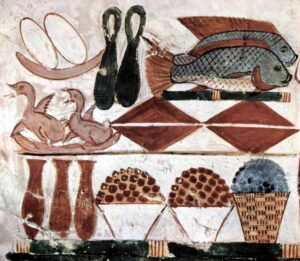
This humble golden oil has been used for thousands of years, dating back to ancient Egypt, where it was valued for everything from skin care to healing remedies. Fast forward to today, and castor oil continues to enjoy a devoted following among natural health enthusiasts, beauty experts, and anyone who has ever looked in the mirror and thought, “I could use a little help here!”
While some internet claims about castor oil stretch into the realm of wishful thinking, there is legitimate science behind many of its traditional uses. The secret lies largely in ricinoleic acid, a unique fatty acid that makes up approximately 90% of castor oil and appears to possess anti-inflammatory, moisturizing, and wound-supportive properties. Studies have demonstrated anti-inflammatory and pain-relieving effects from ricinoleic acid, helping explain why castor oil has maintained its reputation for generations. (PMC)
Castor Oil Packs: Grandma May Have Been Onto Something
One of the most popular traditional uses of castor oil is the castor oil pack.
For the uninitiated, this involves soaking a piece of flannel or cotton cloth in castor oil, placing it over an area of the body, covering it with plastic wrap, and applying gentle heat.
Simple? Yes.
Messy? Also yes.
Many practitioners recommend castor oil packs over the liver area, believing they may support circulation, lymphatic drainage, and the body’s natural detoxification processes. While scientific studies specifically examining liver packs remain limited, castor oil’s anti-inflammatory properties are well documented, which may help explain why many people report feeling better after regular use. The truth is that Castor oil’s ability to penetrate the skin is primarily due to its high content of ricinoleic acid, which allows it to effectively navigate through the skin barrier. This unique composition not only enhances its absorption but also provides anti-inflammatory and antimicrobial benefits when applied topically.
A practical warning: wear an old T-shirt. Castor oil has a remarkable ability to locate your favorite clothing and permanently decorate it.
Relief for Achy Joints
If your knees sound like a bowl of Rice Krispies every time you stand up, castor oil may be worth considering.
Research has shown that ricinoleic acid can reduce inflammation and discomfort when applied topically. Studies investigating castor oil applications for arthritic joints have reported improvements in pain levels, particularly when heat is applied after the oil.
Many people massage castor oil directly into:
• Arthritic knees
• Stiff hands
• Sore shoulders
• Achy hips
• Overworked lower backs
Will it replace a knee replacement? Probably not. Could it make a grumpy joint a little less grumpy? Possibly.
Skin’s Best Friend
Castor oil is an exceptional moisturizer.
Unlike many lotions that contain mostly water, castor oil creates a protective barrier that helps reduce moisture loss. This makes it especially helpful for dry skin, rough elbows, cracked heels, and hands that have seen one too many winters.
Many users report improvement in:
• Dry skin
• Rough patches
• Chapped lips
• Minor skin irritation
• Flaky areas
The oil’s anti-inflammatory and antimicrobial properties may also help calm irritated skin. Research suggests ricinoleic acid may support wound healing by maintaining a moist environment while reducing inflammation.
Wrinkles: Can Castor Oil Turn Back Time?
Let’s be realistic. If castor oil could completely erase wrinkles, dermatologists would be hiding barrels of it in underground vaults.
However, castor oil may help improve the appearance of fine lines by deeply moisturizing the skin. Well-hydrated skin often appears plumper, smoother, and healthier. Some cosmetic experts believe the oil’s antioxidant properties may further support skin health and elasticity.
Many people apply a tiny amount before bed around:
• Crow’s feet
• Smile lines
• Neck creases
• Dry under-eye areas
Tiny amount is the key phrase. Otherwise, you may wake up looking less like a movie star and more like a glazed doughnut.
Hair: The Internet’s Favorite Castor Oil Topic
If you’ve spent more than five minutes on social media, you’ve probably encountered claims that castor oil can transform sparse hair into a luxurious lion’s mane overnight.
The truth is more nuanced- Castor oil is believed to promote hair regrowth due to its rich content of essential fatty acids, vitamins, and minerals that nourish the scalp and strengthen hair follicles. Regular application may lead to visible results in about 4-6 weeks. The most effective way to use: apply a thin coating all over scalp, or, for a more targeted effect, apply to thinning parts and balding patches. Put on a shower cap or wrap head in cling wrap for no longer than 60 minutes. Wash out. This is effective if you can remember to do it an hour before your shower!
Psoriasis, Eczema, and Other Stubborn Skin Issues
Because castor oil helps retain moisture and may reduce inflammation, some people find it useful for soothing dry, irritated skin conditions.
Limited evidence suggests it may help relieve symptoms associated with psoriasis by improving hydration and supporting the skin barrier. As always, test a small area first. Even natural substances can occasionally cause irritation.
A Word About Internal Use
Castor oil has a long history as a stimulant laxative and remains FDA-approved for that purpose. However, it can produce some truly memorable gastrointestinal experiences.
Let’s just say that if you have plans for the afternoon, castor oil may decide otherwise.
Because reactions vary greatly from person to person, many natural health enthusiasts today focus primarily on its topical uses rather than internal consumption. Anyone considering internal use should discuss it with a healthcare professional first.
Castor Oil Is Not Magic
It won’t make you twenty-five again. It won’t eliminate every ache and pain. It won’t give your dog a college education. But it is one of those rare traditional remedies that has survived thousands of years and is now finding support from modern research. Between its moisturizing, anti-inflammatory, and skin-supportive properties, castor oil remains one of the most versatile natural products available.
And unlike many trendy wellness products, a bottle costs less than dinner at a fast-food restaurant. Not bad for a thick, sticky oil that has been quietly helping people since the days of the pharaohs.
Baby Steps
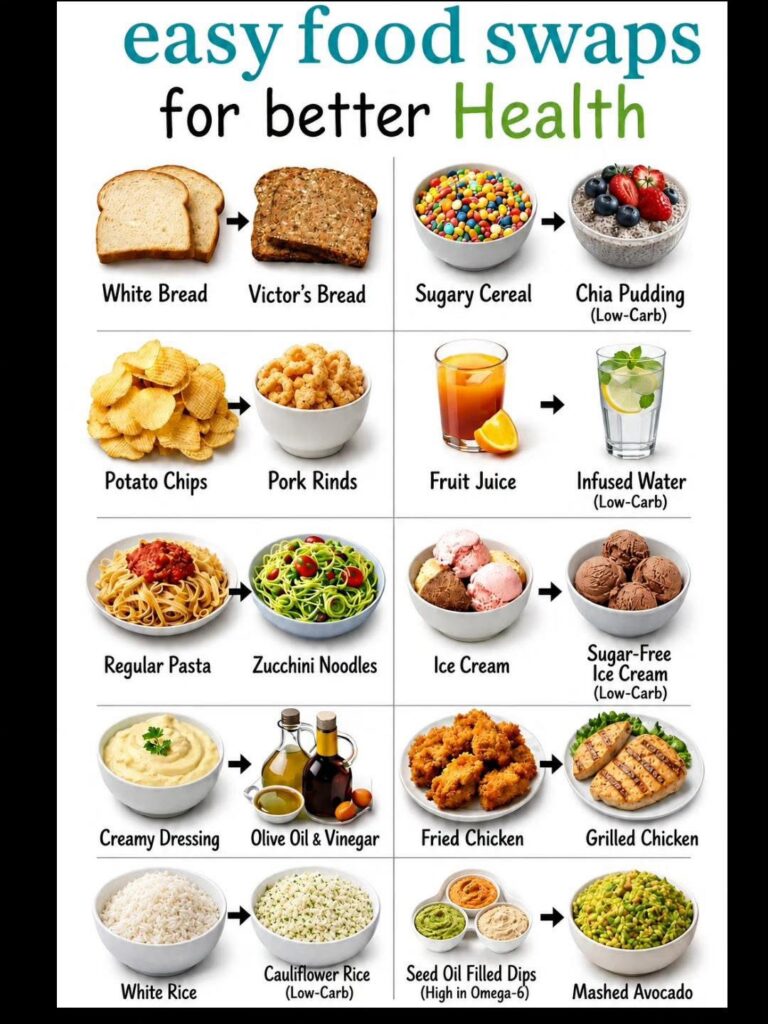
Sometimes better health starts with the boring little swaps you make every single day. Most of these take about the SAME amount of time. You don’t always need a 47-step meal plan and a motivational speech from a guy wearing a headset. Sometimes you just need to stop pouring sugar water in a glass and calling it breakfast. 🤣 ~Victor Prince, Southern Keto
Emotional & Mental Causes Of Illness
For generations, people separated the mind from the body as if the two operated independently. But modern research continues to reveal something many trauma survivors already know firsthand: emotional pain does not always stay emotional. The body remembers stress, fear, grief, humiliation, and trauma in ways that can quietly influence physical health for decades.
This does NOT mean that every illness is “caused” by emotions alone, nor does it suggest that people are responsible for becoming sick because of difficult experiences. Disease is complex and influenced by genetics, environment, lifestyle, infections, toxins, and many other factors. Yet mounting evidence shows that long-term emotional distress—especially childhood abuse, neglect, chronic fear, or unresolved trauma—can contribute to physical breakdown over time.
When Survival Mode Never Turns Off
A child who grows up in an abusive or chaotic environment often lives in a constant state of alertness. The nervous system learns that danger may appear at any moment. Stress hormones like cortisol and adrenaline flood the body repeatedly, preparing it to fight, flee, freeze, or submit.
In the short term, this stress response is protective. It keeps us alive.
But when the body remains in that state for years, the wear and tear can become significant. Scientists sometimes refer to this accumulated burden as “allostatic load”—the gradual damage caused by chronic stress.
Imagine driving a car with the engine revved at maximum speed every day for twenty years. Eventually something starts smoking under the hood. The human body is no different.
The Physical Cost of Emotional Trauma
Researchers have linked severe or prolonged emotional stress with increased risks for numerous health conditions later in life, including:
• Heart disease
• High blood pressure
• Autoimmune disorders
• Chronic pain syndromes
• Digestive disorders
• Diabetes
• Obesity
• Sleep disorders
• Depression and anxiety
• Substance abuse
• Liver disease
• Certain forms of cancer
One of the most influential studies on this topic was the Adverse Childhood Experiences (ACE) Study, which found a strong connection between childhood trauma and poorer health outcomes in adulthood. People who experienced multiple forms of childhood adversity were significantly more likely to develop serious illnesses later in life.
The body appears to “keep score,” even when the conscious mind tries not to.
How Stress Can Affect the Immune System
The immune system and nervous system communicate constantly. Chronic emotional stress may weaken immune function, increase inflammation, and interfere with the body’s ability to repair damaged cells.
Inflammation itself is a double-edged sword. In small amounts, it helps the body heal. But chronic inflammation is increasingly associated with diseases ranging from arthritis to cardiovascular disease and even some cancers.
Stress hormones can also influence sleep quality, digestion, appetite, blood sugar regulation, and liver function. Over time, these disruptions may contribute to broader physical deterioration.
Some trauma survivors also develop coping mechanisms that unintentionally compound the problem—such as alcohol abuse, smoking, emotional eating, isolation, or chronic sleep deprivation. These behaviors are understandable responses to pain, but they may further increase disease risk.
The Liver and Emotional Burden
The liver is particularly vulnerable to chronic stress in indirect ways. People carrying unresolved emotional trauma may be more likely to self-medicate with alcohol, processed foods, sugar, or substances that strain liver function.
Stress itself may also affect metabolic pathways and inflammatory processes connected to fatty liver disease and other metabolic disorders.
Traditional healing systems have long connected emotional states with organ health. While some of those claims are symbolic rather than scientific, modern medicine is increasingly recognizing that emotional well-being and physical health are deeply intertwined.
Trauma Changes the Brain—And the Body Follows
Childhood abuse can actually alter brain development. Areas involved in fear processing, emotional regulation, and stress response may become hypersensitive. The nervous system learns to expect danger even in safe situations.
Adults with unresolved trauma often describe symptoms such as:
• Muscle tension
• Fatigue
• Digestive distress
• Headaches
• Chronic pain
• Panic attacks
• Skin flare-ups
• Heart palpitations
• Immune problems
The body is not being “dramatic.” It is responding exactly as it was trained to respond. A nervous system stuck in survival mode may have difficulty returning to rest, healing, and repair.
Emotional Suppression and the “Strong Person” Trap
Interestingly, some studies suggest that emotional suppression itself may contribute to illness. Many trauma survivors become exceptionally capable, productive, and helpful to others while privately carrying enormous emotional burdens.
These are often the people described as:
• “Always strong”
• “Never complains”
• “Takes care of everyone”
• “Pushes through anything”
But constantly suppressing grief, anger, fear, or emotional pain can place continuous stress on the nervous system.
The body has a curious habit of eventually demanding attention the mind refused to give it. Sometimes that demand arrives as exhaustion. Sometimes as anxiety. Sometimes as illness.
Healing Matters—At Any Age
The encouraging news is that the nervous system remains adaptable throughout life. Emotional healing may positively influence physical health, stress levels, immune function, sleep quality, and overall well-being. Healing does not necessarily mean “forgetting” trauma. It often means helping the body finally understand that the danger has passed.
Helpful approaches may include:
• Trauma-informed therapy
• Support groups
• Meditation or prayer
• Gentle exercise
• Time in nature
• Healthy relationships
• Creative outlets
• Proper nutrition
• Adequate sleep
• Stress reduction techniques
Even learning to identify and express emotions safely can reduce physiological stress over time.
The Mind and Body Were Never Separate
Modern science increasingly supports what many ancient healing traditions believed all along: the human being is an integrated whole. Emotional wounds and physical health are deeply connected.
A difficult childhood does not doom anyone to illness, and illness should never be viewed as a personal failure or punishment. But acknowledging the relationship between emotional suffering and physical disease may help people approach health with greater compassion—for themselves and for others.
Sometimes the body is not betraying us. Sometimes it is telling the story the mind was forced to silence years ago.
Mind body connection symptoms list:
A
Abdominal Cramps: Fear. Stopping the process.
Abscess: Fermenting thoughts over hurts, slights and revenge.
Accidents: Inability to speak up for the self. Rebellion against authority. Belief in violence.
Aches: Longing for love. Longing to be held.
Acne: Not accepting the self. Dislike of the self.
Addictions: Running from the self. Fear. Not knowing how to love self.
Adrenal Problems: Defeatism. No longer caring for the self. Anxiety.
Alcoholism: Feeling of futility, guilt, inadequacy. Self-rejection.
Allergies: Denying your own power.
Alzheimer’s Disease: Refusal to deal with the world as it is. Hopelessness and helplessness. Anger.
Amenorrhea: Not wanting to be a woman. Dislike of the self.
Anemia: “Yes-but” attitude. Lack of joy. Fear of life. Not feeling good enough.
Ankle: Inflexibility and guilt. Ankles represent the ability to receive pleasure.
Anorexia: Denying the self life. Extreme fear, self-hatred and rejection.
Anxiety: Not trusting the flow and the process of life.
Apathy: Resistance to feeling. Deadening of the self. Fear.
Appetite, Excessive: Fear. Needing protection. Judging the emotions.
Arm: Represents the capacity and ability to hold the experiences of life.
Arteries: Carry the joy of life.
Arthritic Fingers: A desire to punish. Blame. Feeling victimized.
Arthritis: Feeling unloved. Criticism, resentment. – Rheumatoid Arthritis: Feeling victimized. Lack of love. Chronic bitterness. Resentment. Deep criticism of authority. Feeling very put upon.
Asthma: Smother love. Inability to breathe for one’s self. Feeling stifled. Suppressed crying.
Athlete’s Foot: Frustration at not being accepted. Inability to move forward with ease.
B
Back Issues: Represents the support of life. Back Problems: – Rounded shoulders: Carrying the burdens of life. Helpless and hopeless. – Lower Back Pain: Fear of money or lack of financial support. – Mid-Back Pain: Guilt. Stuck in all that stuff back there. “Get off my back!” – Upper Back Pain: Lack of emotional support. Feeling unloved. Holding back love. – Back Curvature: The inability to flow with the support of life. Fear and trying to hold on to old ideas. Not trusting life. Lack of integrity. No courage of convictions.
Bad Breath: Anger and revenge thoughts. Experiences backing up.
Balance, Loss of: Scattered thinking. Not centered.
Baldness: Fear. Tension. Trying to control everything.
Bedwetting: Fear of parent, usually the father.
Belching: Fear. Gulping life too quickly.
Bell’s Palsy: Extreme control over anger. Unwillingness to express feelings.
Bladder Problems: Anxiety. Holding on to old ideas. Fear of letting go. Being “pissed off”.
Bleeding: Joy running out. Anger.
Blisters: Resistance. Lack of emotional protection.
Blood Pressure: – High: Longstanding emotional problem not solved. – Low: Lack of love as a child. Defeatism.
Body Odor: Fear. Dislike of the self. Fear of others.
Bones: Represent the structure of the universe. – Bone marrow: Represents deepest beliefs about the self. How you support and care for yourself. – Breaks: Rebelling against authority.
Brain: Represents the computer, the switchboard. – Tumor: Incorrect computerized beliefs. Stubborn. Refusing to change old patterns.
Breast: Represents mothering and nurturing and nourishment. – Cysts, Lumps: A refusal to nourish the self. Putting everyone else first. Over mothering. Overprotection. Overbearing attitudes.
Breath: Represents the ability to take in life. – Breathing Problems: Fear. Not trusting the process of life. Getting stuck in childhood. Fear of taking in life fully. – Bronchitis: Inflamed family environment. Arguments and yelling.
Bruises: The little bumps in life. Self-punishment.
Bulimia: Hopeless terror. A frantic stuffing and purging of self-hatred.
Burns: Anger. Burning up. Incensed.
Bursitis: Repressed anger. Wanting to hit someone.
C
Calluses: Hardened concepts and ideas. Fear solidified.
Cancer: Deep hurt. Longstanding resentment. Deep secret or grief eating away at the self. Carrying hatreds.
Candida: Feeling very scattered. Lots of frustration and anger. Demanding and untrusting in relationships. Great takers.
Canker Sores: Festering words held back by the lips. Blame.
Carpal Tunnel Syndrome: Anger and frustration at life’s seeming injustices.
Cataracts: Inability to see ahead with joy. Dark future.
Cellulite: Stored anger and self-punishment.
Cerebral Palsy: A need to unite the family in an action of love.
Chills: Mental contraction, pulling away and in. Desire to retreat.
Cholesterol: Clogging the channels of joy. Fear of accepting joy.
Circulation: Represents the ability to feel and express the emotions in positive ways.
Colds: Too much going on at once. Mental confusion, disorder. Small hurts.
Colic: Mental irritation, impatience, annoyance in the surroundings.
Colitis: Insecurity. Represents the ease of letting go of that which is over.
Coma: Fear. Escaping something or someone.
Conjunctivitis: Anger and frustration at what you are looking at in life.
Constipation: Incomplete releasing. Holding on to garbage of the past. Guilt over the past. Sometimes stinginess.
Corns: Hardened areas of thought – stubborn holding on to the pain of the past.
Coughs: A desire to bark at the world. “Listen to me!”
Cramps: Tension. Fear. Gripping, holding on.
Crohn’s Disease: Fear. Worry. Not feeling good enough.
Crying: Tears are the river of life, shed in joy as well as in sadness and fear.
Cuts: Punishment for not following your own rules.
Cysts: Running the old painful movie. Nursing hurts. A false growth.
Cystic Fibrosis: A thick belief that life won’t work for you. “Poor me.”
D
Deafness: Rejection, stubbornness, isolation. What don’t you want to hear? “Don’t bother me.”
Depression: Anger you feel you do not have a right to have. Hopelessness.
Diabetes: Longing for what might have been. A great need to control. Deep sorrow. No sweetness left.
Diarrhea: Fear. Rejection. Running off.
Dizziness: Flighty, scattered thinking. A refusal to look.
Dry eyes: Angry eyes. Refusing to see with love. Would rather die than forgive. Being spiteful.
Dysmenorrhea: Anger at the self. Hatred of the body or of women.
E
Ear: Represents the capacity to hear. – Ache: Anger. Not wanting to hear. Too much turmoil. Household arguing.
Eczema: Breath-taking antagonism. Mental eruptions.
Edema: What or who won’t you let go of?
Elbow: Represents changing directions and accepting new experiences.
Emphysema: Fear of taking in life. Not worthy of living.
Endometriosis: Insecurity, disappointment and frustration. Replacing self-love with sugar. Blamers.
Epilepsy: Sense of persecution. Rejection of life. A feeling of great struggle. Self-violence.
Epstein-Barr Virus: Pushing beyond one’s limits. Fear of not being good enough. Draining all inner support. Stress.
Eye: Represents the capacity to see clearly past, present, future. – Astigmatism: “I” trouble. Fear of really seeing the self. – Hyperopia: Fear of the present. – Myopia: Fear of the future.
F
Face: Represents what we show the world.
Fainting: Fear. Can’t cope. Blacking out.
Fat or Weight issues: Oversensitivity. Often represents fear and shows a need for protection. Fear may be a cover for hidden anger and a resistance to forgive. Running away from feelings. Insecurity, self-rejection and seeking fulfillment. – Arms: Anger at being denied love. – Belly: Anger at being denied nourishment. – Hips: Lumps of stubborn anger at the parents. – Thighs: Packed childhood anger. Often rage at the father.
Fatigue: Resistance, boredom. Lack of love for what one does.
Feet: Represent our understanding – of ourselves, of life, of others. – Foot Problems: Fear of the future and of not stepping forward in life.
Fever: Anger. Burning up.
Fibroid Tumors: Nursing a hurt from a partner. A blow to the feminine ego.
Fingers: Represent the details of life. – Thumb: Represents intellect and worry. – Index: Represents ego and fear. – Middle: Represents anger and sexuality. – Ring: Represents unions and grief. – Little: Represents the family and pretending.
Food Poisoning: Allowing others to take control. Feeling defenseless.
Frigidity: Fear. Denial of pleasure. A belief that sex is bad. Insensitive partners. Fear of father.
Fungus: Stagnating beliefs. Refusing to release the past. Letting the past rule today.
G
Gallstones: Bitterness. Hard thoughts. Condemning. Pride.
Gas: Gripping. Fear. Undigested ideas.
Gastritis: Prolonged uncertainty. A feeling of doom.
Genitals: Represent the masculine and feminine principles. Worry about not being good enough.
Gland Problems: Represent holding stations. Self-staring activity. Holding yourself back.
Gout: The need to dominate. Impatience, anger.
Glaucoma: Stony unforgiveness. Pressure from longstanding hurts. Overwhelmed by it all.
Gray Hair: Stress. A belief in pressure and strain.
Growths: Nursing those old hurts. Building resentments.
Gum Problems: Inability to back up decisions. Indecisive about life.
H
Hands: Hold and handle. Clutch and grip. Grasping and letting go. Caressing. Pinching. All ways of dealing with experiences.
Hay Fever: Emotional congestion. Fear of the calendar. A belief in persecution. Guilt.
Headaches: Invalidating the self. Self-criticism. Fear.
Heart: Represents the center of love and security. – Heart Attack: Squeezing all the joy out of the heart in favor of money or position. Feeling alone and scared. “I’m not good enough. I don’t do enough. I’ll never make it.” – Heart Problems: Longstanding emotional problems. Lack of joy. Hardening of the heart. Belief in strain and stress.
Heartburn: Fear. Fear. Fear. Clutching Fear.
Hemorrhoids: Fear of deadlines. Anger of the past. Afraid to let go. Feeling burdened.
Hepatitis: Resistance to change. Fear, anger, hatred. Liver is the seat of anger and rage.
Hernia: Ruptured relationships. Strain, burdens, incorrect creative expression.
Herpes Genitalis: Mass belief in sexual guilt and the need for punishment. Public shame. Belief in a punishing God. Rejection of the genitals.
Herpes Simplex: Bitter words left unspoken.
Hip: Carries the body in perfect balance. Major thrust in moving forward. Fear of going forward in major decisions. Nothing to move forward to.
Hives: Small, hidden fears. Mountains out of molehills.
Hodgkin’s Disease: Blame and a tremendous fear of not being good enough. A frantic race to prove one’s self until the blood has no substance left to support itself. The joy of life is forgotten in the race of acceptance.
Hyperactivity: Fear. Feeling pressured and frantic.
Hyperventilation: Fear. Resisting change. Not trusting the process.
Hypoglycemia: Overwhelmed by the burdens in life.
I
Impotence: Sexual pressure, tension, guilt. Social beliefs. Spite against a previous mate. Fear of mother.
Incontinence: Emotional overflow. Years of controlling emotions.
Indigestion: Gut-level fear, dread, anxiety. Griping and grunting.
Infection: Irritation, anger, annoyance.
Inflammation: Fear. Seeing red. Inflamed thinking. Anger and frustration about conditions you are looking at in your life.
Influenza: Response to mass negativity and beliefs. Fear. Belief in statistics.
Ingrown Toenail: Worry and guilt about your right to move forward.
Injuries: Anger at the self. Feeling guilty.
Insanity: Fleeing from the family. Escapism, withdrawal. Violent separation from life.
Insomnia: Fear. Not trusting the process of life. Guilt.
Intestines: Represent assimilation and absorption.
Itching: Desires that go against the grain. Unsatisfied. Remorse. Itching to get out or get away.
J
Jaundice: Internal and external prejudice. Unbalanced reason.
Jaw Problems: Anger. Resentment. Desire for revenge.
K
Kidney Problems: Criticism, disappointment, failure. Shame. Reacting like a child.
Kidney Stones: Lumps of undissolved anger.
Knee: Represents pride and ego. Stubborn ego and pride. Inability to bend. Fear. Inflexibility. Won’t give in.
L
Laryngitis: So mad you can’t speak. Fear of speaking up. Resentment of authority.
Left Side of Body: Represents receptivity, taking in, feminine energy, women, the mother.
Leg: Carry us forward in life.
Liver: Seat of anger and primitive emotions. Chronic complaining. Justifying fault-finding to deceive yourself. Feeling bad.
Lockjaw: Anger. A desire to control. A refusal to express feelings.
Lump in the Throat: Fear. Not trusting the process of life.
Lung: The ability to take in life. Depression. Grief. Not feeling worthy of living life fully.
Lupus: A giving up. Better to die than stand up for one’s self. Anger and punishment.
Lymph Problems: A warning that the mind needs to be recentered on the essentials of life. Love and joy.
M
Malaria: Out of balance with nature and with life.
Menopause Problems: Fear of no longer being wanted. Fear of aging. Self-rejection. Not feeling good enough.
Menstrual Problems: Rejection of one’s femininity. Guilt, fear. Belief that the genitals are sinful or dirty.
Migraine Headaches: Dislike of being driven. Resisting the flow of life. Sexual fears.
Miscarriage: Fear of the future. Inappropriate timing.
Mononucleosis: Anger at not receiving love and appreciation. No longer caring for the self.
Motion Sickness: Fear. Bondage. Feeling of being trapped.
Mouth: Represents taking in of new ideas and nourishment. Set opinions. Closed mind. Incapacity to take in new ideas.
Multiple Sclerosis: Mental hardness, hard-heartedness, iron will, inflexibility.
Muscles: Resistance to new experiences. Muscles represent our ability to move in life.
Muscular Dystrophy: “It’s not worth growing up.”
N
Nails: Represent protection. – Nail Biting: Frustration. Eating away at the self. Spite of a parent.
Narcolepsy: Can’t cope. Extreme fear. Wanting to get away from it all. Not wanting to be here.
Nausea: Fear. Rejecting an idea or experience.
Neck: Represents flexibility. The ability to see what’s back there. Refusing to see other sides of a question. Stubbornness, inflexibility. Unbending stubbornness.
Nephritis: Overreaction to disappointment and failure.
Nerves: Represent communication. Receptive reporters.
Nervous Breakdown: Self-centeredness. Jamming the channels of communication.
Nervousness: Fear, anxiety, struggle, rushing. Not trusting the process of life.
Neuralgia: Punishment for guilt. Anguish over communication.
Nodules: Resentment and frustration and hurt ego over career.
Nose: Represents self-recognition. – Nose Bleeds:A need for recobnition. Feeling unnoticed. Crying for love. – Runny Nose: Asking for help. Inner crying. – Stuffy Nose: Not recognizing the self-worth.
Numbness: Withholding love and consideration. Going dead mentally.
O
Osteomyelitis: Anger and frustration at the very structure of life. Feeling unsupported.
Osteoporosis: Feeling there is no support left in life. Mental pressures and tightness. Muscles can’t stretch. Loss of mental mobility.
Ovaries: Represent points of creation. Creativity.
PQ
Pain: Guilt. Guilt always seeks punishment.
Paralysis: Paralysing thoughts. Getting stuck. Terror leading to escape from a situation or person.
Pancreas: Represents the sweetness of life.
Pancreatitis: Rejection. Anger and frustration because life seems to have lost its sweetness.
Parasites: Giving power to others, letting them take over and life off of you.
Parkinson’s Disease: Fear and an intense desire to control everything and everyone.
Peptic Ulcer: Fear. A belief that you are not good enough. Anxious to please.
Phlebitis: Anger and frustration. Blaming others for the limitation and lack of joy in life.
Pimples: Small outbursts of anger.
Pituitary Gland: Represents the control center.
Pneumonia: Desperate. Tired of life. Emotional wounds that are not allowed to heal.
Poison Ivy: Allergy Feeling defenseless and open to attack.
Polio: Paralysing jealousy. A desire to stop someone.
Premenstrual Syndrome: Allowing confusion to reign. Giving power to outside influences. Rejection of the feminine processes.
Prostate: Represents the masculine principle. Mental fears weaken the masculinity. Giving up. Sexual pressure and guilt. Belief in aging.
Psoriasis: Fear of being hurt. Deadening the senses of the self. Refusing to accept responsibility for our own feelings.
R
Rash: Irritation over delays. Immature way to get attention.
Right Side of Body: Giving out, letting go, masculine energy, men, the father.
Ringworm: Allowing others to get under your skin. Not feeling good enough or clean enough.
S
Scabies: Infected thinking. Allowing others to get under your skin.
Sciatica: Being hypocritical. Fear of money and of the future.
Scleroderma: Protecting the self from life. Not trusting yourself to be there and to take care of yourself.
Scratches: Feeling life tears at you, that life is a rip off.
Senility: Returning to the so-called safety of childhood. Demanding care and attention. A form of control of those around you. Escapism.
Shin: Represents the standards of life. Breaking down ideals.
Shingles: Waiting for the other shoe to drop. Fear and tension. Too sensitive.
Sinus Problems: Irritation to one person, someone close.
Skin: Protects our individuality. Anxiety, fear. Old, buried things. I am being threatened.
Slipped Disc: Feeling totally unsupported by life. Indecisive.
Snoring: Stubborn refusal to let go of old patterns.
Solar Plexus: Gut reactions. Center of our intuitive power.
Sores: Unexpressed anger that settles in.
Spleen: Obsessions. Being obsessed about things.
Sprains: Anger and resistance. Not wanting to move in a certain direction in life.
Sterility: Fear and resistance to the process of life or not needing to go through the parenting experience.
Stiffness: Rigid, stiff thinking.
Stomach: Holds nourishment. Digests ideas. Dread. Fear of the new. Inability to assimilate the new.
Stroke: Giving up. Resistance. Rather die than change. Rejection of life.
Stuttering: Insecurity. Lack of self-expression. Not being allowed to cry.
Sty: Looking at life through angry eyes. Angry at someone.
Suicidal thoughts: See life only in black and white. Refusal to see another way out.
T
Teeth: Represent decisions. – Teeth Problems: Longstanding indecisiveness. Inability to break down ideas for analysis and decisions. – Root Canal: Can’t bite into anything anymore. Root beliefs being destroyed. – Impacted Wisdom Teeth: Not giving yourself mental space to create a firm foundation.
Throat: Avenue of expression. Channel of creativity. – Throat Problems: The inability to speak up for one’s self. Swallowed anger. Stifled creativity. Refusal to change. – Sore throat: Holding in angry words. Feeling unable to express the self.
Thrush: Anger over making the wrong decisions.
Thymus Gland: Feeling attacked by life. They are out to get me.
Thyroid Gland: Humiliation. I never get to do what I want to do. When is it going to be my turn. – Hyperthyroid: Rage at being left out.
Tics, Twitches: Fear. A feeling of being watched by others.
Tinnitus or Ringing in the Ears: Refusal to listen. Not hearing the inner voice. Stubbornness.
Toes: Represent the minor details of the future.
Tongue: Represents the ability to taste the pleasures of life with joy.
Tonsillitis: Fear. Repressed emotions. Stifled creativity.
Tuberculosis: Wasting away from selfishness. Possessive. Cruel thoughts. Revenge.
U
Urinary infections: Pissed off, usually at the opposite sex or a lover. Blaming others.
Uterus: Represents the home of creativity.
V
Vaginitis: Anger at a mate. Sexual guilt. Punishing the self.
Varicose Veins: Standing in a situation you hate. Discouragement. Feeling over-worked and overburdened.
Vitiligo: Feeling completely outside of things. Not belonging. Not one of the group.
Vomiting: Violent rejection of ideas. Fear of the new.
WXYZ
Warts: Little expressions of hate. Belief in ugliness. – Plantar Warts: Anger at the very basis of your understanding. Spreading frustration about the future.
Wrist: Represents movement and ease.
Herbs For HBP
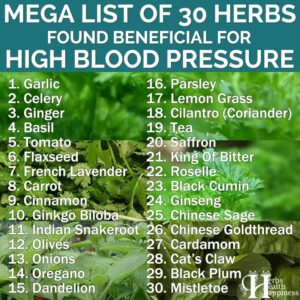
How A KETO DIET INCREASES THE HIDDEN DANGERS OF OXALATES
Many staple keto foods are loaded with oxalates — naturally occurring compounds found in plants that can contribute to kidney stones, inflammation, pain, and other health problems in susceptible individuals. While not everyone reacts negatively to oxalates, chronic overconsumption may quietly create problems over time, especially when high-oxalate foods are eaten daily.
I Lived Through This!
In 2015 I diagnosed myself with Diabetes. I had an A1c of 8.2 and my blood sugar was around 280. I am ashamed to admit that I was a Natural Health Researcher with a carb addiction. (It’s not just sweets that cause Diabetes- our bodies CONVERT carbs to sugar) So, of course, I turned to Facebook! Don’t laugh because the first group I came upon was called Type II Diabetes Straight Talk. They are still there and I’m still a member. After watching videos, reading files, talking to the admins, and asking stupid questions, within months my A1c was down to 4.8 and my blood sugar was in the 90s.
So why would I develop kidney stones? Right- the low carb, or keto, diet. Years of eating almond flour this, and spinach that, plus other super high oxalate foods, will lead you straight to calcium oxalate kidney stones.
Don’t get me wrong here- I am STILL a huge proponent of a super low carb diet to heal your body and keep it functioning optimally, but please- check the foods you eat daily for oxalate content! Here’s a link to a pretty good low and high oxalate foods list: https://thekidneydietitian.org/wp-content/uploads/2020/07/Oxalates-in-Food-Summer-2020.pdf
(Of course my ultimate list would show oxalates AND carbs!)
What Are Oxalates?
Oxalates (also called oxalic acid) are compounds naturally found in many plants. In nature, they serve as a defense mechanism for the plant. In the human body, however, oxalates can bind to minerals such as calcium and form sharp crystal-like compounds.
The body eliminates oxalates primarily through urine, stool, and sweat. But when oxalate intake becomes excessive — or when the body cannot efficiently remove them — crystals may accumulate in tissues and organs.
The most well-known consequence is calcium oxalate kidney stones, the most common type of kidney stone. However, researchers and clinicians increasingly suspect that oxalates may also contribute to:
- Pain (anywhere) [especially urinary, genital (vulvodynia), joints, muscles, eyes, head, & intestines]
- Painful or inflamed joints and muscles (similar to Fibromyalgia or arthritis)
- Fatigue
- Insomnia
- Gas and bloating
- Low bone density
- Frequent urination, urinary pain, Interstitial Cystitis
- Cloudy urine, crystals in urine, or sandy stools
- Kidney Stones
- Headaches, Depression, Anxiety, Brain Fog
- Yeast (Candida) Overgrowth
- Rashes & Hives
- Blood sugar imbalances
- Burning Feet
Some individuals appear far more sensitive than others, especially those with gut disorders, mineral deficiencies, chronic inflammation, or impaired kidney function.
Why Keto Can Be Surprisingly High in Oxalates
The keto diet eliminates grains and many fruits while emphasizing foods high in fat and low in carbohydrates. Unfortunately, many of the “healthy” foods promoted heavily within keto circles happen to be some of the highest-oxalate foods in existence.
This becomes especially problematic because keto followers often consume these foods every single day. While each food alone may not seem concerning, the cumulative oxalate load can become enormous over weeks, months, or years.
The Spinach Problem
Spinach deserves special attention because it is often marketed as a “superfood,” especially in low-carb communities. Yet spinach is one of the highest-oxalate foods on earth.
Just one cup of cooked spinach can contain several hundred milligrams of oxalates. Some experts suggest keeping oxalate intake below 100 mg daily for sensitive individuals — meaning a single spinach salad may exceed that amount several times over.
Many keto enthusiasts consume spinach daily in smoothies, salads, omelets, and casseroles without realizing the potential consequences.
The Almond Flour Explosion
Another major concern is almond flour. Traditional diets rarely included large quantities of almonds. But keto baking transformed almonds into a daily staple. It can take dozens of almonds to make just a small amount of flour. This concentrates oxalates dramatically. Someone eating multiple almond flour products daily may unknowingly consume an extremely high oxalate load.
When “Healthy” Foods Backfire
One of the most frustrating aspects of oxalate sensitivity is that many sufferers are diligently trying to improve their health. They are eating salads, nuts, seeds, and vegetables because they have been told these foods are universally beneficial.
Unfortunately, bio-individuality matters. For some people, a diet overloaded with high-oxalate foods may slowly worsen symptoms rather than improve them. Though more research is needed, anecdotal reports continue to grow.
Gut Health and Oxalates
Gut health plays a major role in oxalate tolerance.
Certain beneficial gut bacteria help degrade oxalates in the digestive tract before they are absorbed. However, antibiotics, poor diet, gastrointestinal disease, and chronic stress may reduce these bacteria. Ironically, many people turn to keto to heal gut issues, while unknowingly increasing another potential problem.
Low-Calcium Diets May Make Things Worse
Many people mistakenly avoid calcium because they fear kidney stones. In reality, adequate dietary calcium may actually help bind oxalates in the gut so they can be excreted safely.
When calcium intake is too low, more free oxalates may be absorbed into the bloodstream. This is one reason balanced nutrition matters. Eliminating entire food groups without careful planning can sometimes create unintended consequences.
Should Everyone Avoid Oxalates?
Not necessarily.
Oxalates are present in many nutritious foods, and not everyone has problems with them. Some individuals tolerate moderate oxalate intake without issue. People who wish to remain low-carb do not necessarily have to abandon keto completely. Instead, they can choose lower-oxalate foods more often.
Rotating foods rather than eating the same ingredients daily may also help reduce overload. Nutrition is rarely one-size-fits-all. Even foods labeled as “superfoods” can become problematic when consumed excessively or without balance.
Crucial Exercises for People Over 60
Engaging in regular physical activity is crucial for maintaining health and independence as you age. The best exercises for individuals over 60 focus on strength, aerobic fitness, balance, and flexibility.
Types of Exercises:
| Exercise Type | Description | Benefits |
|---|---|---|
| Strength Training | Involves using weights or body weight (e.g., squats, push-ups). | Preserves muscle mass, improves bone density, and enhances daily function. |
| Aerobic Activities | Includes walking, swimming, and cycling. | Boosts cardiovascular health and reduces the risk of chronic diseases. |
| Balance Exercises | Activities like tai chi and single-leg stands. | Reduces the risk of falls and improves stability. |
| Flexibility Exercises | Practices such as yoga and Pilates. | Enhances joint flexibility and overall mobility. |
Recommended Activities:
- Walking: A simple and effective way to improve cardiovascular health and maintain mobility.
- Water Aerobics: Provides resistance while being gentle on the joints, ideal for those with arthritis.
- Chair Yoga: Accessible for those with limited mobility, focusing on gentle stretches and breathing.
- Pilates: Strengthens core muscles and improves posture and balance.
Frequency and Duration:
Older adults should aim for:
- 150 minutes of moderate aerobic activity per week (e.g., brisk walking).
- Strength training at least twice a week, focusing on major muscle groups.
- Balance and flexibility exercises incorporated into daily routines.
Incorporating these exercises into your weekly routine can significantly enhance your quality of life, helping you stay active and independent as you age.
Increase Your Platelet Count Naturally
Understanding Platelet Count
A normal platelet count ranges from 150,000 to 450,000 platelets per microliter of blood. You may have had labs come back saying your platelets are low and that can be scary! Thrombocytopenia is when the count falls below 150,000, leading to increased bleeding risks. When platelets are low you might experience lots of bruising, nosebleeds, and slow wound healing.
Dietary Changes to Boost Platelet Count
Certain foods and nutrients can help increase platelet production:
| Nutrient | Food Sources |
|---|---|
| Vitamin B12 | Beef liver, eggs, fortified cereals |
| Folate (Vitamin B9) | Dark leafy greens (spinach, kale), beans |
| Vitamin C | Citrus fruits (oranges, lemons), berries |
| Iron | Red meat, lentils, spinach |
| Vitamin K | Broccoli, collard greens, kale |
Supplements and Natural Remedies
- Papaya Leaf Extract: Known to help increase platelet counts.
- Wheatgrass Juice: Contains nutrients that may support platelet production.
- Omega-3 Fatty Acids: Found in fish and walnuts, can positively impact platelet levels.
Lifestyle Adjustments
- Avoid Alcohol: Alcohol can lower platelet production.
- Stay Hydrated: Proper hydration supports overall blood health.
Incorporating these dietary changes and lifestyle adjustments can help improve your platelet count naturally.
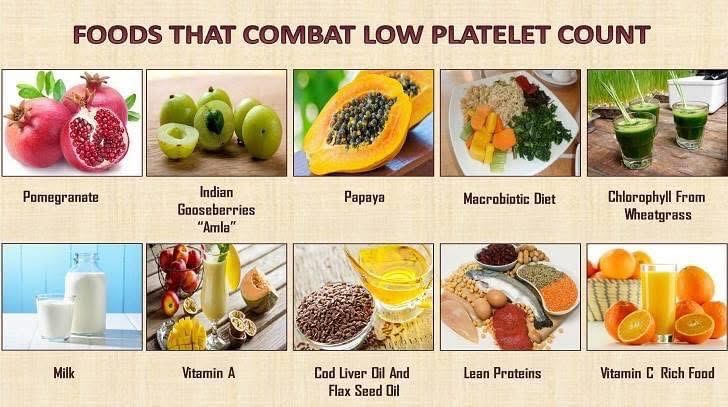
Feeling Dizzy? Try Balancing The Crystals In Your Ears
Ear crystals, also known as canaliths, are tiny calcium carbonate structures located in the inner ear. They play a crucial role in maintaining balance by responding to gravity and head movements. When these crystals become dislodged, they can lead to a condition called Benign Paroxysmal Positional Vertigo (BPPV).
How Do Crystals Become Dislodged?
Displacement of these crystals can occur due to various factors, including:
- Head injuries
- Aging
- Prolonged head positions
- Inner ear diseases
When the crystals shift from their normal position, they can cause episodes of dizziness or a spinning sensation, particularly during specific head movements.
Treatment Options for Dislodged Crystals
Epley Maneuver
The Epley maneuver is a common treatment for BPPV. It involves a series of specific head and body movements designed to reposition the dislodged crystals back to their original location in the inner ear. Here’s a simplified overview of the steps involved:
- Start Position: Sit upright with your legs extended.
- Head Turn: Rotate your head 45 degrees toward the affected ear.
- Lie Back: Quickly lie back with your head tilted slightly backward.
- Head Rotation: After a minute, turn your head 90 degrees to the opposite side.
- Roll Over: Roll your body in the same direction, facing down.
- Sit Up: Finally, sit up while maintaining the head position.
Effectiveness of the Epley Maneuver
The Epley maneuver is effective in relieving symptoms in about 80% of patients with BPPV. It is typically performed by a healthcare provider but can also be done at home.
Early Signs Of Liver Problems
Recognizing the initial symptoms of liver issues is vital for timely intervention and effective management. The first signs often include:
Common Symptoms
| Symptom | Description |
|---|---|
| Jaundice | Yellowing of the skin and the whites of the eyes due to bilirubin buildup. |
| Dark Urine | Urine may appear brown or amber, indicating liver dysfunction. |
| Pale Stools | Stools may become light or clay-colored, suggesting bile flow obstruction. |
| Fatigue | Persistent tiredness that does not improve with rest. |
| Abdominal Pain or Swelling | Discomfort or swelling in the abdomen, often due to fluid retention. |
Additional Signs to Watch For
- Loss of Appetite: A decreased desire to eat, which may lead to weight loss.
- Nausea or Vomiting: Feeling sick to the stomach or vomiting without an obvious cause.
- Itchy Skin: Persistent itching that may be caused by bile salts accumulating in the bloodstream.
- Easy Bruising: Increased tendency to bruise easily due to impaired blood clotting.
Many of these symptoms can be caused by Fatty Liver Disease, which mainly occurs due to uncontrolled high blood sugar. If you notice any of these symptoms, make sure you get yourself a glucose monitor and see where your blood sugar levels are. When my sugar levels were high, I cut out all carbs except for salads. I ate mostly protein and healthy fats.
Importance of Early Detection
Early detection of these symptoms can significantly improve treatment outcomes and prevent the progression of liver disease. If you notice any of these signs, it is essential to consult a healthcare professional for further evaluation.
How To Get Labs Done Without A Doctor
Yes, in some states, you can order lab tests directly without a doctor’s order through services that offer direct access testing. However, this option is not available in every state, so it’s important to check the regulations in your area.
Steps to Order Lab Tests
Choose a Service: Look for lab testing services that offer direct access, such as Quest Diagnostics or Labcorp OnDemand. We have used both of these services, and prefer Labcorp. Their internet interface to sign up and get your results is much more user friendly.
Select Your Tests: Browse through the available tests on the service’s website. Common tests include:
-
- Complete Blood Count (CBC)
- Lipid Profile
- Thyroid Function Test (TFT)
- Vitamin D Level
- Glucose Level
Purchase Online: Complete your order online. You will typically pay out-of-pocket at the time of purchase. We used our Health Savings Account funds to pay for everything. Some tests can be pricey. For instance a CBC can be as low as $30, but more comprehensive health tests my run up to just over $200.
Sample Collection: Depending on the service, you can either visit a lab location or use an at-home collection kit. Some services also offer mobile phlebotomists who can come to your home.
Receive Results: Access your results online, usually within a few days. Some services may notify you directly if results require prompt attention. Labcorp and Quest supplied our results the very next day.
Getting lab tests without a doctor’s orders can save time and money, allow for early health data collection, bring peace of mind if you suspect something is ‘off’ with your health, and provide privacy for individuals who prefer to manage their health independently.

Our Beloved Gray Baby

Disclaimer